

-40%
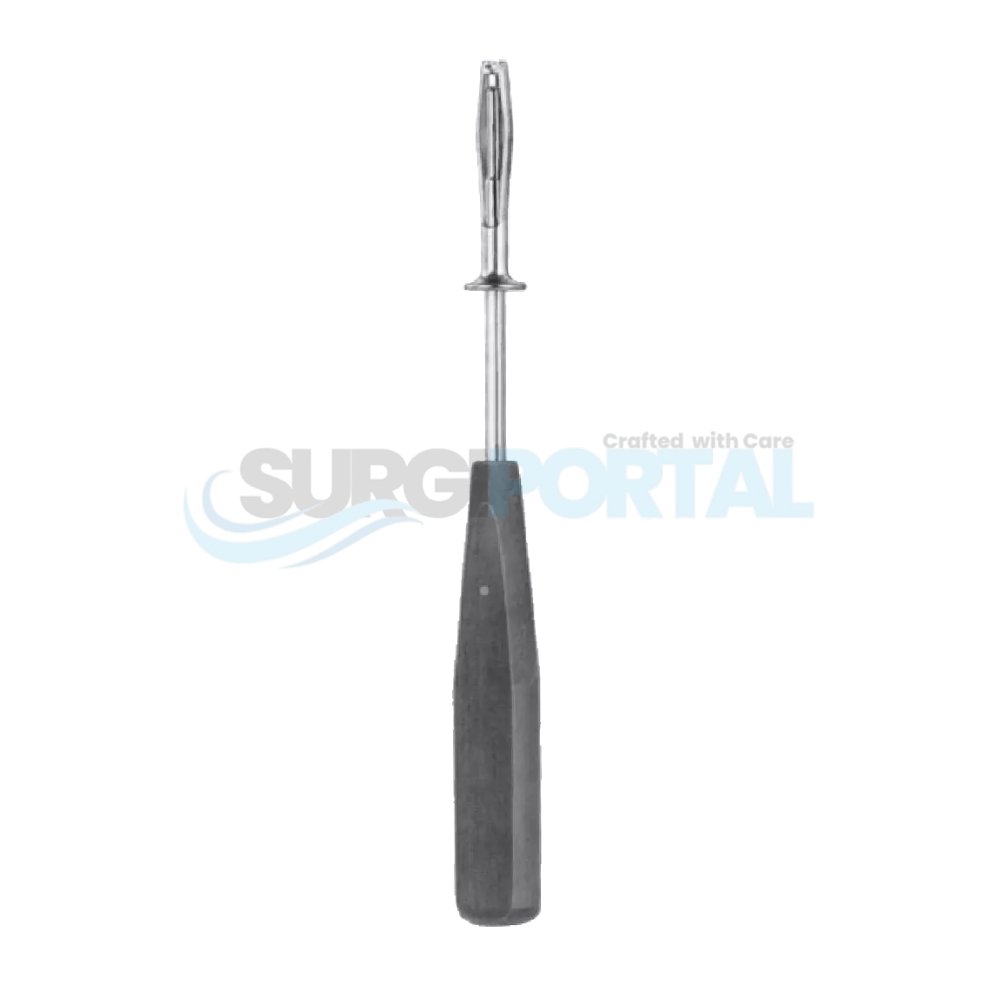
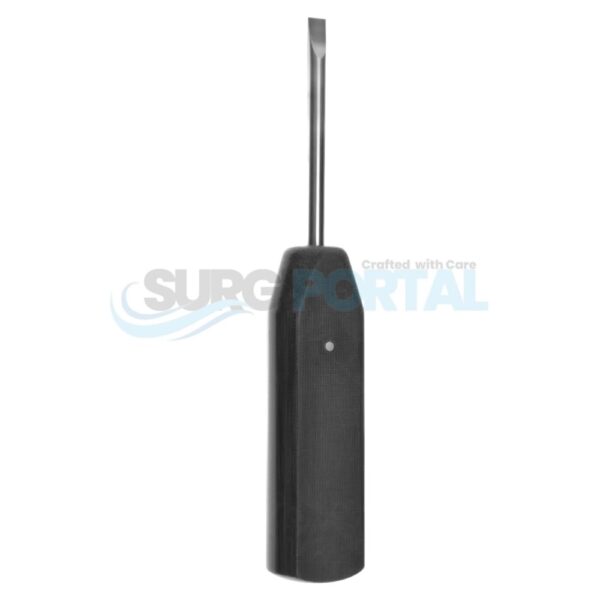
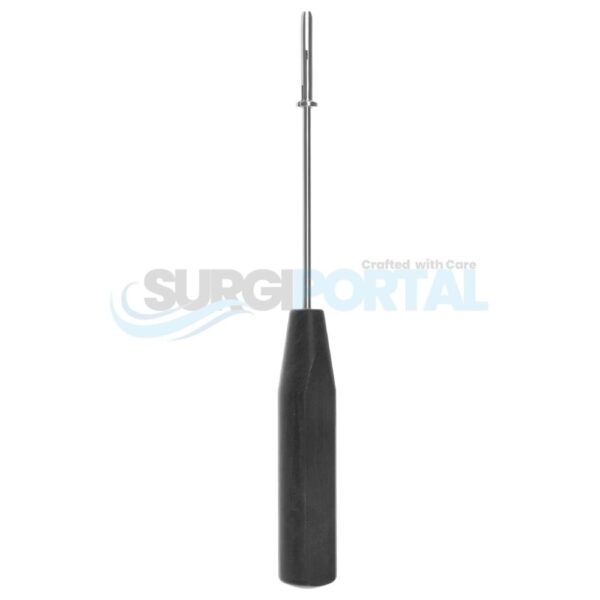
The Hexagonal Screwdriver 2.5mm with Sleeve is a precision orthopedic instrument designed for controlled handling of compatible hexagonal fixation screws. Its 2.5mm hexagonal drive and sleeve support secure screw engagement and controlled manipulation during surgical procedures.
$100.00 Original price was: $100.00.$60.00Current price is: $60.00.
Payment Methods:

The Hexagonal Screwdriver 2.5mm with Sleeve is a specialized orthopedic surgical instrument designed for the controlled insertion, tightening, loosening, and removal of compatible fixation screws with a 2.5mm hexagonal drive interface. It is intended for use with orthopedic implant systems where accurate screwdriver-to-screw engagement is required.
The 2.5mm hexagonal tip provides a defined mechanical interface with the corresponding recess in a compatible screw head. Proper engagement helps transmit rotational force efficiently while maintaining control during screw manipulation. Because hexagonal screw interfaces can vary between implant systems, the exact compatibility of this screwdriver should always be verified against the applicable screw and manufacturer specifications.
The integrated sleeve adds an important functional component to the instrument. Depending on the specific configuration, a sleeve may help support the screw, guide the screwdriver, or provide additional control during insertion and removal. The exact function of the sleeve should be confirmed from the manufacturer’s technical documentation. It should not be assumed that the sleeve is compatible with every 2.5mm hexagonal screw system.
This screwdriver can be incorporated into orthopedic and trauma instrument sets used for fracture fixation, bone reconstruction, and other procedures involving compatible screw-based fixation systems. During use, the screwdriver tip should be seated fully within the screw recess and maintained in appropriate axial alignment. Proper alignment helps reduce the likelihood of slipping, recess damage, or uneven force application.
The instrument’s design is particularly useful where controlled screw manipulation is required within a surgical field. The sleeve can contribute to improved handling and stabilization of the screwdriver and screw assembly, depending on the system design. Surgeons and operating-room personnel should follow the applicable implant manufacturer’s recommended technique, including any specified requirements for screw insertion, driver engagement, and torque.
Before every procedure, the screwdriver should be inspected for wear, deformation, corrosion, damaged edges, or other defects. The hexagonal tip should retain its intended geometry to ensure proper engagement with the screw head. The sleeve should also be checked for smooth movement and proper seating where applicable. A damaged or excessively worn driver should be removed from service according to institutional procedures.
If supplied as a reusable surgical instrument, the Hexagonal Screwdriver 2.5mm with Sleeve should undergo appropriate cleaning, inspection, and sterilization according to validated manufacturer instructions and healthcare facility protocols. Instrument surfaces should be thoroughly cleaned after use, with particular attention to the hexagonal working end, sleeve interface, and any areas where surgical debris can collect.
The exact material, overall length, sleeve dimensions, compatible screw system, and sterilization parameters are not specified in the product title and should therefore be confirmed from the manufacturer’s documentation. This instrument is intended for use by qualified healthcare professionals familiar with orthopedic fixation systems and surgical instrument handling.
| Specification | Details |
|---|---|
| Product Name | Hexagonal Screwdriver 2.5mm with Sleeve |
| Instrument Type | Orthopedic Screwdriver |
| Drive Type | Hexagonal |
| Tip Size | 2.5mm |
| Configuration | Screwdriver with Sleeve |
| Primary Function | Screw insertion, tightening, loosening, and removal |
| Application | Orthopedic / Trauma Surgery |
| Compatible Component | Fixation screws with matching 2.5mm hexagonal interface |
| Sleeve | Included |
| Overall Length | Refer to manufacturer specification |
| Material | Refer to manufacturer specification |
| Sterilization | Follow validated manufacturer instructions |
| Reusable | Depends on supplied configuration |
| Intended User | Qualified healthcare professionals |
It is designed for controlled insertion, tightening, loosening, and removal of compatible orthopedic fixation screws with a 2.5mm hexagonal drive interface.
The 2.5mm specification refers to the size of the hexagonal screwdriver tip designed to engage a corresponding screw-head recess.
The sleeve may help guide, stabilize, or support the screwdriver and screw during manipulation. Its exact function depends on the instrument configuration and should be confirmed by the manufacturer.
Not necessarily. Screw geometry, recess depth, implant design, and system specifications can vary. Compatibility should be confirmed before surgical use.
It may be used in orthopedic and trauma procedures involving compatible screw-based fixation systems, including fracture fixation and bone reconstruction.
The hexagonal tip should be fully seated in the matching screw recess and maintained in appropriate alignment before controlled rotational force is applied.
If supplied as a reusable instrument, it should be properly cleaned, inspected, and sterilized according to validated manufacturer instructions and facility reprocessing protocols.
No account yet?
Create an Account