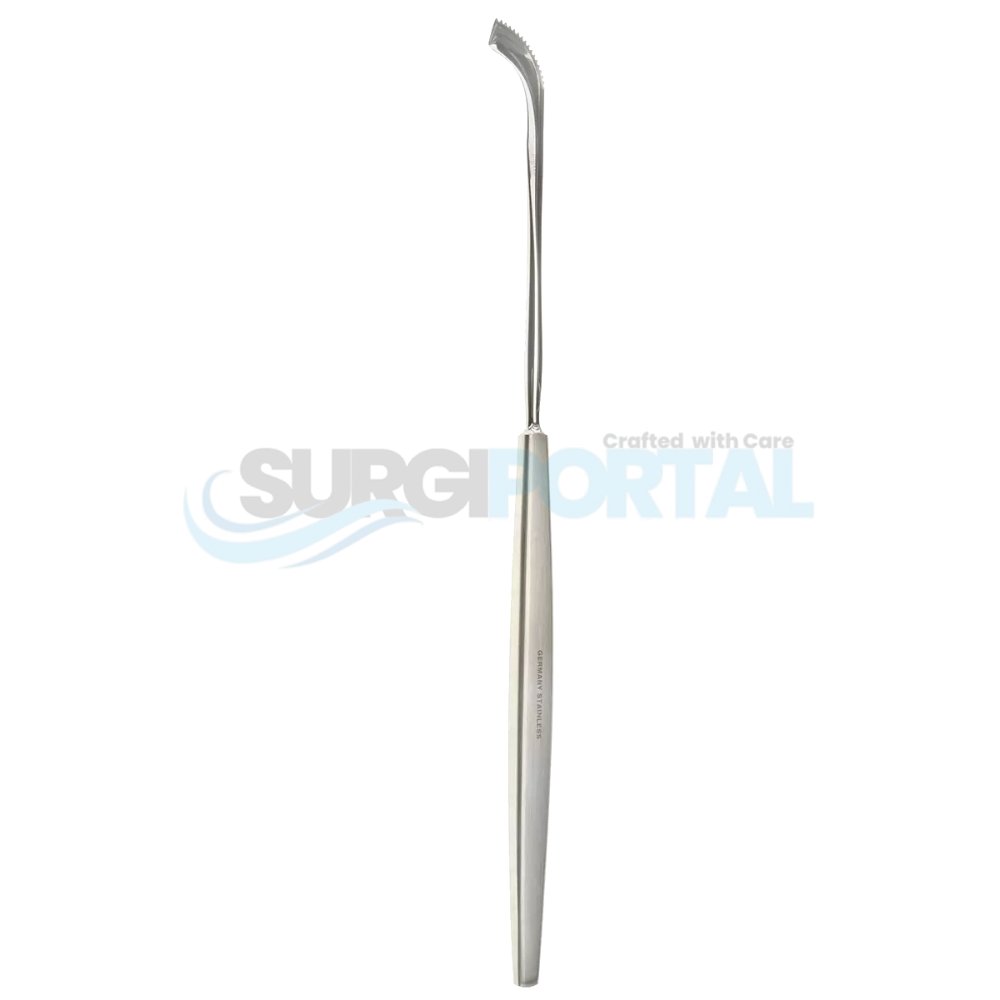
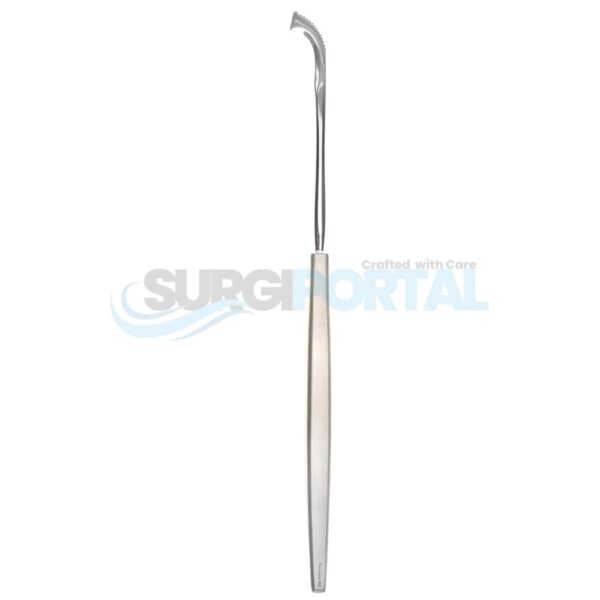
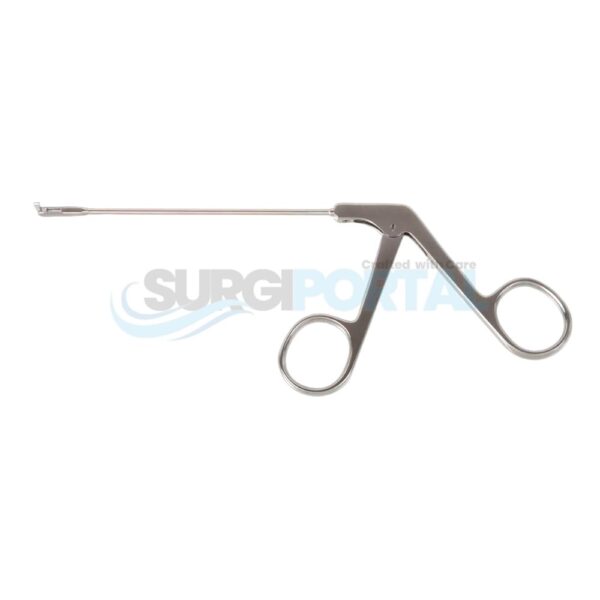
The 8″ Colver Tonsil Knife Dissector is designed for controlled tissue dissection and manipulation during tonsillectomy and other appropriate ENT procedures. Its elongated 8-inch configuration provides useful reach and handling control in the operative field.
$110.00Original price was: $110.00.$80.00Current price is: $80.00.
The 8″ Colver Tonsil Knife Dissector is a specialized ENT surgical instrument designed for controlled tissue dissection and manipulation during appropriate otolaryngology procedures. Its elongated 8-inch profile provides extended reach while allowing the surgeon to maintain controlled instrument handling within the operative field.
The instrument combines the functional characteristics of a tonsil knife and dissector, making it suitable for procedures where precise tissue separation and manipulation are required. The working end is designed to assist with controlled dissection of tissue planes associated with tonsillar surgery, helping support efficient surgical technique.
Its length provides additional clearance between the surgeon’s hand and the patient’s oral cavity, which can be useful during procedures requiring access to deeper areas of the oropharynx. The handle and shaft are designed for manual control, allowing the operator to direct the working end according to the requirements of the procedure.
The Colver tonsil knife dissector is commonly associated with tonsil-related ENT procedures, particularly where controlled tissue dissection is required. It may also be appropriate for other otolaryngology applications depending on the surgeon’s technique and procedural requirements.
Manufactured for professional surgical use, the instrument is intended to provide dependable handling, controlled tissue manipulation, and repeatable performance. A reusable stainless-steel construction is suitable for routine surgical instrument reprocessing when permitted by the manufacturer’s instructions.
After use, the instrument should be cleaned, inspected, disinfected, and sterilized according to the manufacturer’s validated instructions and the healthcare facility’s established reprocessing protocol. Regular inspection of the working end and overall condition helps maintain safe and effective instrument performance.
Key Features
8-inch elongated surgical instrument
Colver tonsil knife dissector design
Combines knife and dissection functionality
Designed for controlled tissue separation and manipulation
Suitable for tonsillectomy and appropriate ENT procedures
Provides useful reach within the oral and oropharyngeal field
Designed for precise manual handling
Suitable for professional otolaryngology use
Reusable design when permitted by manufacturer instructions
Supports routine surgical instrument reprocessing
Easy to inspect, clean, and maintain
Product Specifications
Specification
Details
Product Type
Tonsil Knife Dissector
Pattern
Colver
Overall Length
8″
Application
ENT / Otolaryngology
Primary Use
Tissue Dissection & Manipulation
Surgical Area
Tonsillar / Oropharyngeal Procedures
Operation
Manual
Reusable
Yes, subject to manufacturer instructions
Sterilization
Follow validated facility protocol and manufacturer IFU
FAQs
1. What is an 8″ Colver Tonsil Knife Dissector used for?
It is designed for controlled tissue dissection and manipulation during appropriate tonsil and ENT surgical procedures.
2. Why is the instrument 8 inches long?
The elongated 8-inch design provides useful reach and working clearance during procedures involving the oral and oropharyngeal surgical field.
3. Is this instrument used for tonsillectomy?
Yes. A tonsil knife dissector is commonly used as part of appropriate tonsillectomy techniques for controlled tissue dissection and manipulation.
4. Is the Colver Tonsil Knife Dissector reusable?
It can be used as a reusable surgical instrument when its construction and manufacturer instructions permit appropriate cleaning, disinfection, and sterilization.
5. How should the instrument be sterilized?
Cleaning and sterilization should be performed according to the manufacturer’s instructions and the healthcare facility’s validated instrument-reprocessing protocol.
6. What specialty uses a tonsil knife dissector?
It is primarily associated with ENT and otolaryngology, particularly procedures involving the tonsils and surrounding oropharyngeal tissues.
I can also keep this same format and wording style for the rest of your ENT instrument product list.