

-35%
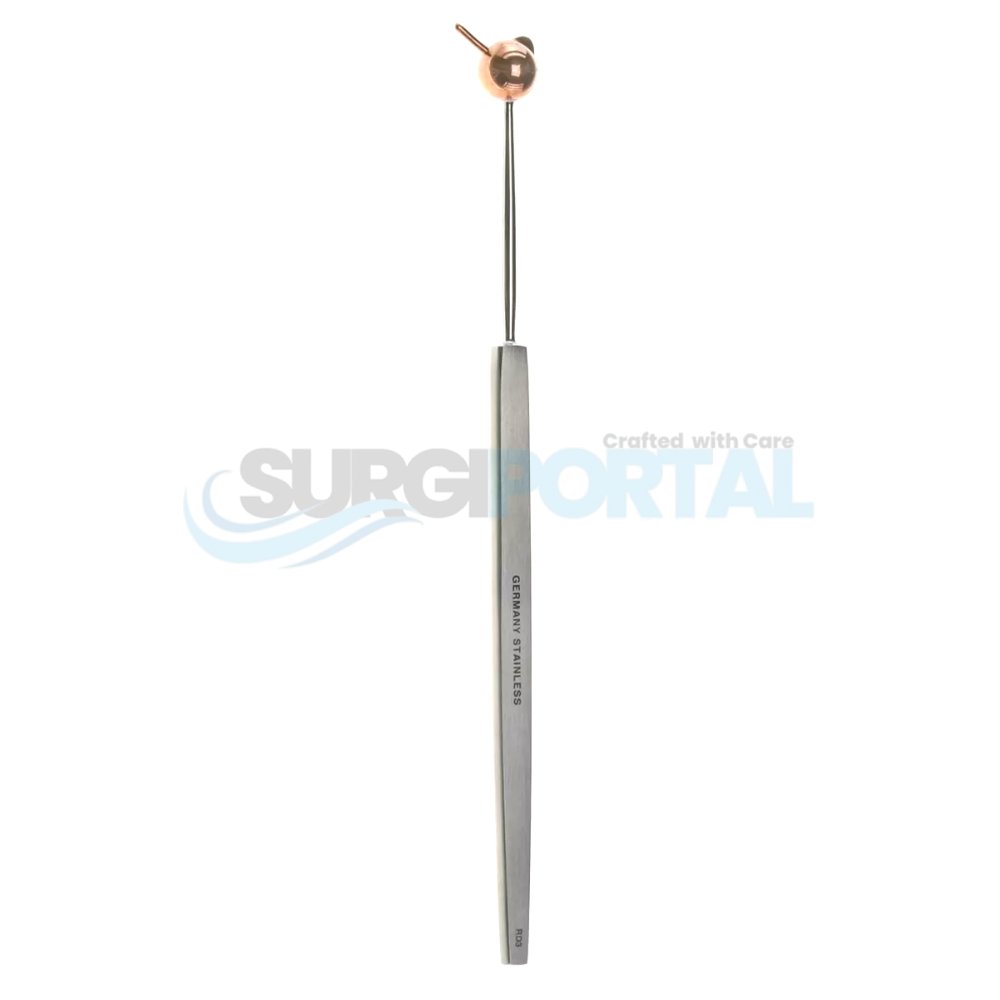
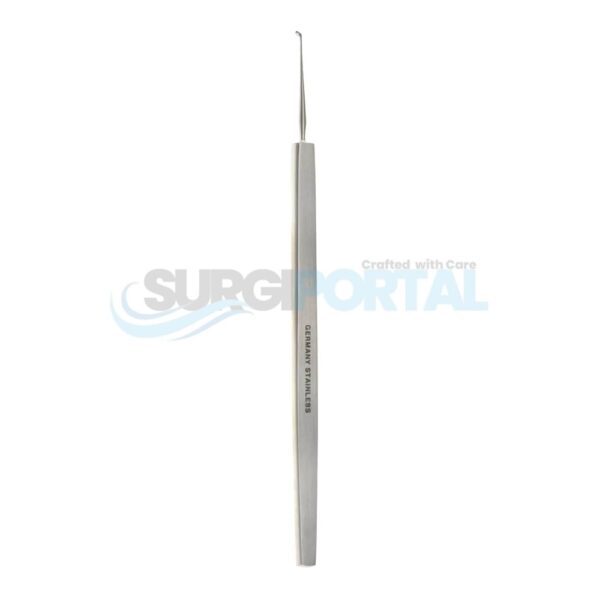

The Wadsworth Todd Cautery 5 3/4″ is a precision ophthalmic cautery instrument designed for controlled application of heat during delicate eye procedures. Its compact 5 3/4-inch design and specialized cautery tip support accurate handling in the operative field.
$100.00 Original price was: $100.00.$65.00Current price is: $65.00.
Payment Methods:

The Wadsworth Todd Cautery 5 3/4″ is a specialized ophthalmic surgical instrument designed for controlled thermal cauterization in delicate eye procedures. The Wadsworth-Todd pattern has a long history of ophthalmic use for applying heat to targeted areas of tissue, particularly where localized control of bleeding is required. Historical ophthalmic literature describes the Wadsworth-Todd cautery as an instrument used to touch bleeding points during surgical procedures.
With an overall length of 5 3/4 inches (approximately 14.6 cm), this cautery provides a practical balance between working reach and precise manual control. Ophthalmic instrument catalogs identify the 5 3/4-inch Wadsworth-Todd Cautery with a 9 mm diameter copperhead and platinum point. The specialized working end is intended to retain and deliver localized heat for controlled cauterization rather than functioning as a conventional cutting instrument.
The Wadsworth Todd Cautery is particularly relevant to ophthalmic surgical instrument sets where controlled thermal treatment may be required. Its applications can include procedures involving management of localized surface bleeding and other situations in which a surgeon requires a focused cautery point. Historical references specifically associate Wadsworth-Todd cautery with ophthalmic applications involving eye hemorrhage and corneal conditions.
The copperhead construction provides the thermal mass associated with this traditional cautery design, while the platinum point forms the specialized contact area. The combination is intended to provide a controlled working surface for localized thermal application. The compact profile allows the instrument to be manipulated comfortably while maintaining access to the operative area.
Manufactured for professional surgical environments, the instrument should be produced from appropriate medical-grade materials with a durable finish suitable for routine instrument handling. Proper material selection and precision manufacturing contribute to reliable performance, resistance to corrosion, and long service life when the instrument is maintained correctly.
For reusable ophthalmic instruments, appropriate cleaning and sterilization are essential. After use, the Wadsworth Todd Cautery should be processed according to the healthcare facility’s validated instrument-reprocessing protocol and the manufacturer’s instructions. Any residual biological material should be removed using an appropriate cleaning method before sterilization. The instrument should also be inspected regularly for surface damage, deterioration, or changes affecting the working tip.
Its 5 3/4-inch length makes the Wadsworth Todd Cautery a useful addition to ophthalmic trays and specialty surgical instrument collections. The traditional Wadsworth-Todd pattern, compact profile, copperhead, and platinum point make it recognizable as a dedicated ophthalmic cautery instrument rather than a general-purpose surgical tool.
For hospitals, ambulatory surgical centers, ophthalmology clinics, and professional medical instrument suppliers, the Wadsworth Todd Cautery offers a purpose-specific solution for controlled thermal cautery applications. Its established ophthalmic design and precise working configuration make it suitable for inclusion in specialized eye surgery instrument sets where reliable cautery instrumentation is required.
| Specification | Details |
|---|---|
| Product Name | Wadsworth Todd Cautery |
| Instrument Type | Ophthalmic Cautery |
| Pattern | Wadsworth-Todd |
| Overall Length | 5 3/4 inches / 14.6 cm |
| Working Head | Copperhead |
| Copperhead Diameter | 9 mm |
| Point | Platinum |
| Primary Specialty | Ophthalmology |
| Function | Thermal Cauterization |
| Application | Controlled Localized Cautery |
| Instrument Type | Reusable Surgical Instrument |
| Sterilization | Follow validated facility protocol and manufacturer instructions |
A Wadsworth Todd Cautery is a specialized ophthalmic instrument designed to apply controlled heat to targeted tissue during surgical procedures.
It is primarily used for localized thermal cautery, including control of selected bleeding points during ophthalmic procedures.
This model measures 5 3/4 inches, or approximately 14.6 cm, in overall length.
The commonly listed configuration features a 9 mm diameter copperhead with a platinum point.
Yes. The Wadsworth-Todd Cautery is listed within ophthalmic instrument catalogs and is specifically associated with eye surgery applications.
As a reusable surgical instrument, it should be cleaned, inspected, and sterilized according to the manufacturer’s instructions and the healthcare facility’s validated reprocessing protocol.
The platinum point serves as the specialized contact point of the cautery, providing a focused surface for localized thermal application during appropriate surgical use.
No account yet?
Create an Account