

-35%
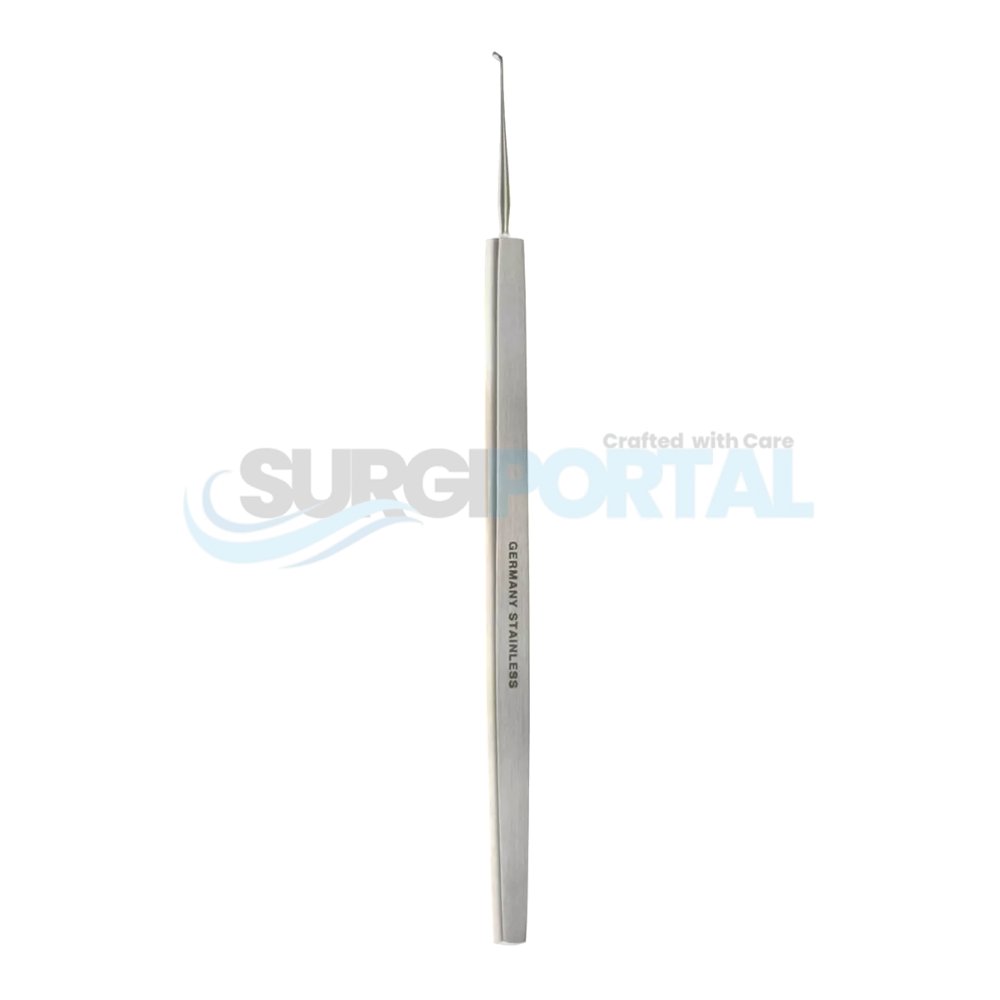
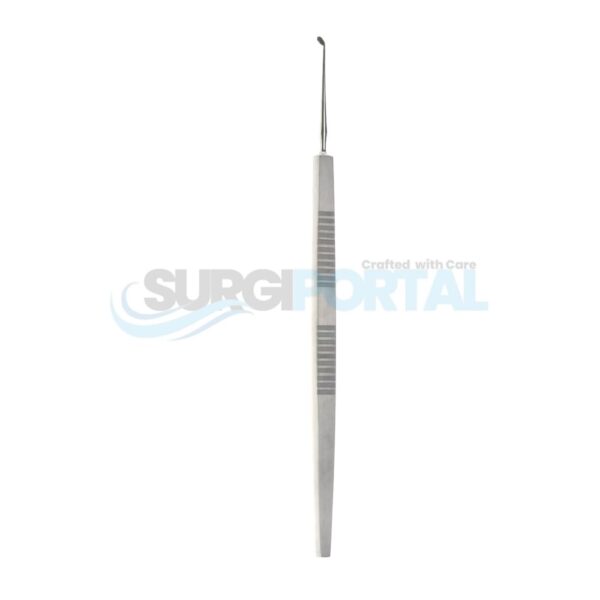
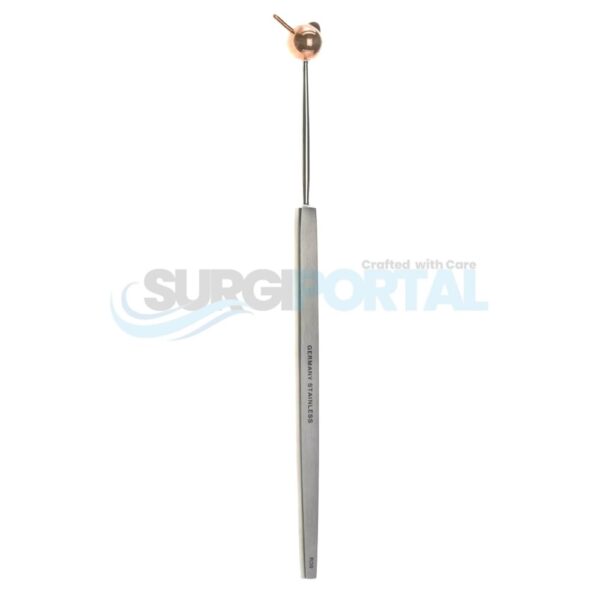
The Francis Foreign Body Spud is a precision ophthalmic instrument designed for controlled manipulation and removal of superficial foreign bodies from the ocular surface. Its fine working end supports accurate handling during delicate corneal and ophthalmic procedures.
$100.00 Original price was: $100.00.$65.00Current price is: $65.00.
Payment Methods:

The Francis Foreign Body Spud is a specialized ophthalmic surgical instrument designed for the controlled manipulation and removal of superficial foreign material from the ocular surface. Its dedicated spud-style working end provides a precise contact surface for engaging, lifting, or dislodging small foreign bodies when clinically appropriate. The instrument is particularly useful in ophthalmic settings where careful handling and accurate positioning are essential.
Superficial ocular foreign bodies can require precise instrument control to minimize unnecessary contact with surrounding structures. The Francis Foreign Body Spud provides a purpose-designed working end that allows the ophthalmic professional to approach the affected area with controlled movements. Its compact surgical profile is well suited to procedures performed with appropriate illumination and magnification, allowing the operator to maintain a clear view of the working area.
The fine working tip is intended for localized manipulation rather than broad tissue handling. This makes the Francis Foreign Body Spud suitable for delicate ophthalmic applications involving small particles, debris, or other superficial foreign material. The instrument’s handle provides stable manual control, allowing precise advancement, positioning, and withdrawal during the procedure.
The Francis pattern is intended for professional ophthalmic instrumentation and can be incorporated into specialty eye-care trays, corneal foreign body removal sets, emergency ophthalmology kits, and minor ophthalmic procedure collections. Having a dedicated foreign body spud available can help provide an appropriate working surface for tasks that require more controlled manipulation than a general-purpose surgical instrument may offer.
For reusable configurations, the Francis Foreign Body Spud is manufactured from durable surgical-grade stainless steel. Stainless steel provides mechanical strength and corrosion resistance while supporting routine cleaning and sterilization when the instrument is properly maintained. The smooth surface also helps facilitate thorough removal of contaminants during validated instrument-processing procedures.
Precision is particularly important for ophthalmic instruments because the working end must maintain its intended geometry for controlled manipulation. After use, the Francis Foreign Body Spud should be cleaned promptly using an appropriate medical-instrument cleaning process. The tip should be carefully inspected for bending, deformation, corrosion, or surface damage before the instrument is returned to service. Proper inspection can help identify issues that may affect precise handling.
Following cleaning and inspection, the instrument should be sterilized according to the manufacturer’s instructions and the healthcare facility’s validated sterilization protocol. Appropriate storage should protect the fine working end from contact with other instruments that could cause damage or deformation.
The Francis Foreign Body Spud is a practical addition to professional ophthalmic instrument collections, providing a dedicated solution for controlled superficial foreign body manipulation. Its precision working tip, compact design, and durable stainless-steel construction make it suitable for ophthalmic procedure environments where accurate manual control is required. It should be used by appropriately trained healthcare professionals according to established clinical protocols and professional judgment.
| Specification | Details |
|---|---|
| Product Name | Francis Foreign Body Spud |
| Instrument Type | Foreign Body Spud |
| Pattern | Francis |
| Specialty | Ophthalmology |
| Primary Application | Ocular Foreign Body Manipulation |
| Working End | Fine Spud Tip |
| Design | Precision Manual Instrument |
| Material | Surgical-Grade Stainless Steel |
| Use | Ophthalmic Procedures |
| Instrument Category | Ophthalmic / Corneal Instrument |
| Reusable | Yes, when supplied as reusable |
| Sterilization | Follow validated facility protocol and manufacturer instructions |
A Francis Foreign Body Spud is a specialized ophthalmic instrument designed for controlled manipulation and removal of superficial foreign material from the ocular surface.
It is used for delicate manipulation of superficial ocular or corneal foreign bodies when a fine and controlled working tip is clinically appropriate.
Yes. It is designed for ophthalmic applications involving controlled manipulation of superficial foreign material on the ocular surface.
A foreign body spud provides a focused working surface that can help the operator precisely engage and manipulate superficial material while maintaining controlled instrument movement.
Reusable versions are typically manufactured from surgical-grade stainless steel to provide durability, corrosion resistance, and compatibility with appropriate instrument processing.
Yes, when supplied as a reusable instrument. It should be thoroughly cleaned, inspected, and sterilized according to validated facility procedures and manufacturer instructions.
It should be used by appropriately trained ophthalmic or healthcare professionals according to established clinical procedures and professional judgment.
No account yet?
Create an Account