

-35%
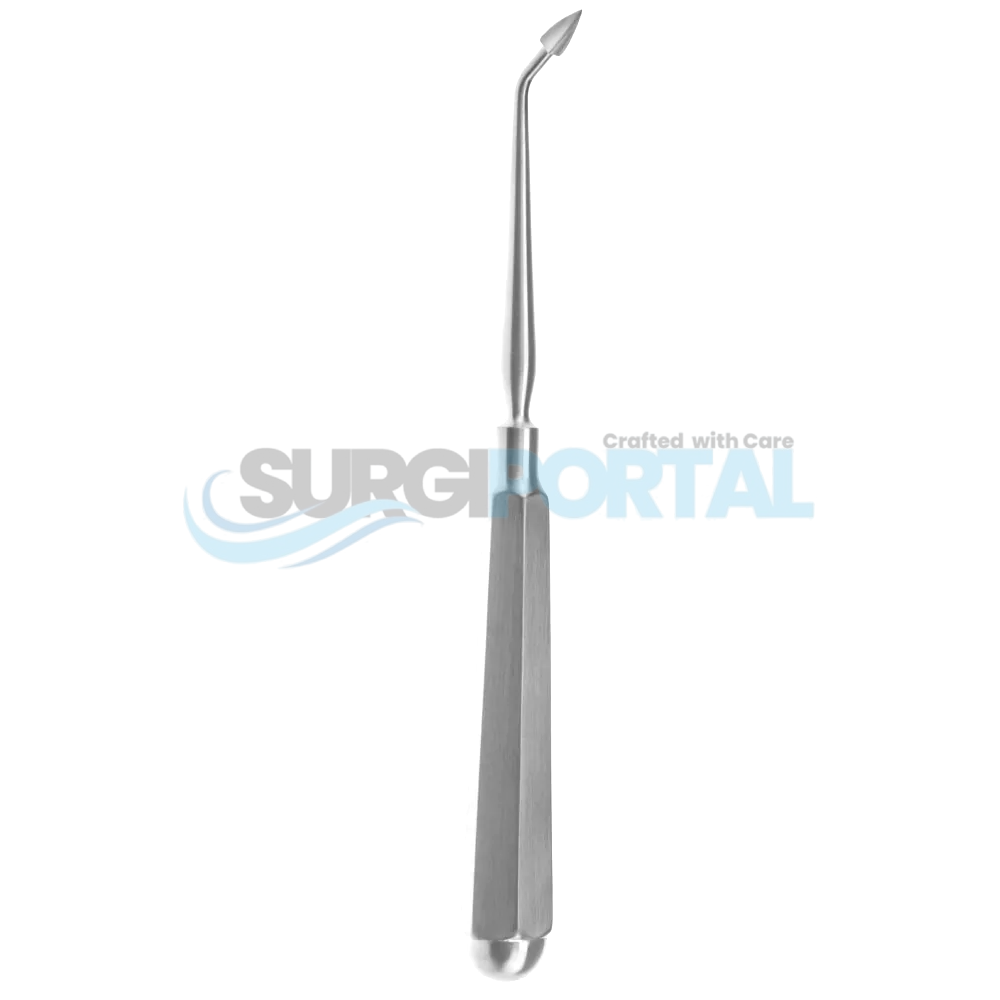
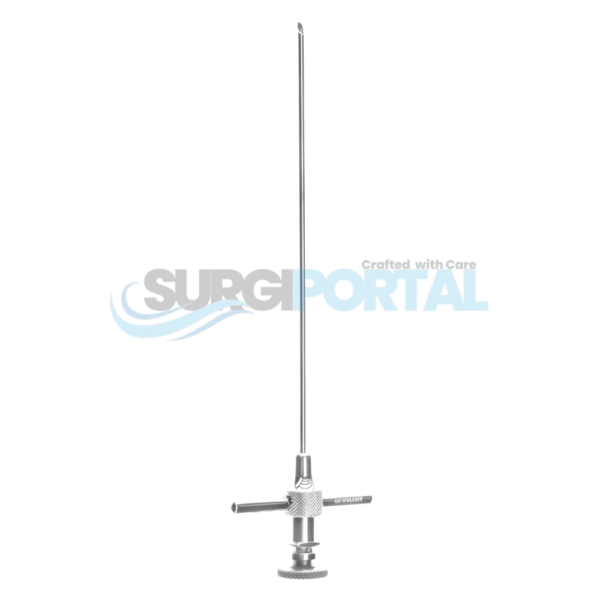
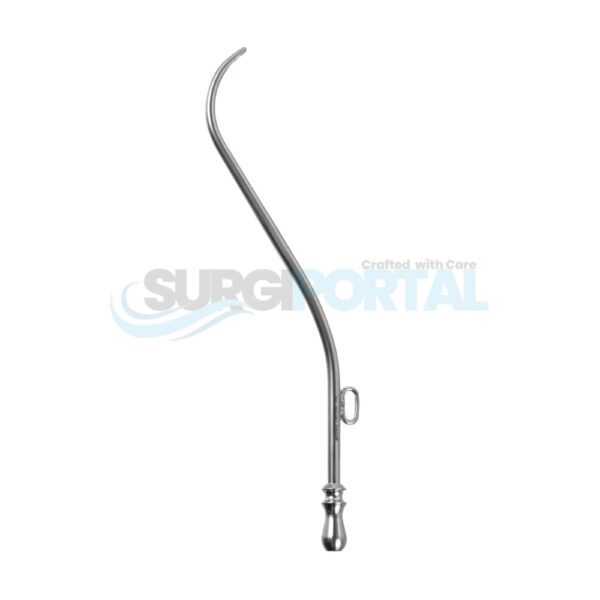
The Wellaminski Antrum Perforator 9mm Angled Tip is a specialized ENT surgical instrument designed for controlled perforation and access during antral and sinus procedures. Its angled tip provides improved directional control when approaching targeted anatomical areas.
$100.00 Original price was: $100.00.$65.00Current price is: $65.00.
Payment Methods:

The Wellaminski Antrum Perforator 9mm Angled Tip is a specialized surgical instrument used in otolaryngology and rhinology for controlled access during selected antral and sinus procedures. Designed with a 9mm angled tip, the instrument provides a practical combination of working reach, directional control, and precise positioning within the surgical field.
The angled tip is particularly useful when the surgical approach requires the instrument to be directed around anatomical contours. Rather than relying solely on a straight working end, the angled configuration allows the surgeon to position the tip toward the intended area while maintaining controlled manipulation of the instrument. This can be valuable during procedures involving the maxillary antrum and adjacent sinus structures.
The Wellaminski Antrum Perforator is designed for controlled perforation rather than broad tissue manipulation. Its defined working tip provides a focused contact area, allowing the surgeon to apply controlled pressure during the intended surgical step. The 9mm specification identifies the working tip configuration and should be used when selecting the appropriate instrument for a particular surgical technique.
The instrument’s overall design supports professional ENT surgical handling. Its working profile is intended to provide access to areas that may be difficult to approach directly, while the angled tip helps improve the working orientation. This makes the instrument suitable for inclusion in specialized ENT, rhinology, and sinus surgery instrument sets.
When supplied as a reusable surgical instrument, the Wellaminski Antrum Perforator is commonly manufactured from surgical-grade stainless steel or another suitable medical instrument material. Such construction provides the strength, durability, and corrosion resistance expected from professional reusable surgical instruments. Exact material specifications should be confirmed according to the manufacturer’s documentation.
A smooth, properly finished instrument surface supports routine cleaning and reprocessing. After use, the perforator should be thoroughly cleaned to remove blood, tissue, and other contaminants. The working tip should also be inspected for damage, deformation, or loss of its intended profile. Proper maintenance helps preserve the instrument’s functional characteristics over repeated use.
For reusable versions, cleaning, disinfection, packaging, and sterilization should always follow the manufacturer’s validated instructions and the healthcare facility’s established reprocessing protocol. The instrument should be inspected before each procedure to ensure that the angled tip and shaft remain in suitable condition.
The Wellaminski Antrum Perforator 9mm Angled Tip is a practical addition to professional ENT surgical instrumentation. Its specialized 9mm angled tip, focused working design, and controlled handling characteristics make it suitable for selected antral and sinus procedures where precise access is required.
Overall, this Wellaminski antrum perforator provides surgeons with a purpose-designed instrument for controlled perforation and access during ENT procedures. Its angled configuration supports directional positioning, while its durable surgical construction makes it appropriate for professional clinical environments when properly maintained and reprocessed.
| Specification | Details |
|---|---|
| Product Name | Wellaminski Antrum Perforator 9mm Angled Tip |
| Instrument Type | Antrum Perforator |
| Specialty | ENT / Otolaryngology |
| Application | Antral and Sinus Procedures |
| Tip Size | 9mm |
| Tip Configuration | Angled |
| Function | Controlled Perforation / Surgical Access |
| Working Design | Angled Tip |
| Material | Surgical-grade material, depending on manufacturer |
| Reusable | Yes, when supplied as a reusable instrument |
| Sterilization | Follow manufacturer’s validated instructions |
| Intended Users | ENT Surgeons and Medical Professionals |
The Wellaminski Antrum Perforator is designed for controlled perforation and surgical access during selected antral and sinus procedures in ENT surgery.
The 9mm specification identifies the stated working tip size of this particular Wellaminski antrum perforator.
The angled tip helps provide directional access around anatomical contours and can assist with positioning the working end during selected sinus procedures.
Yes. The Wellaminski Antrum Perforator is a specialized instrument associated with otolaryngology, rhinology, and selected antral procedures.
If supplied as a reusable surgical instrument, it can be cleaned, disinfected, inspected, and sterilized according to the manufacturer’s validated instructions.
The instrument should be thoroughly cleaned after use and inspected for tissue residue, damage, deformation, or changes to the working tip before sterilization and subsequent use.
Reusable surgical perforators are commonly manufactured from surgical-grade stainless steel or comparable medical-grade materials. Exact material specifications should be verified from the manufacturer.
The 9mm angled tip, shaft, and overall instrument should be inspected for damage, deformation, corrosion, or other conditions that could affect safe and controlled surgical handling.
No account yet?
Create an Account