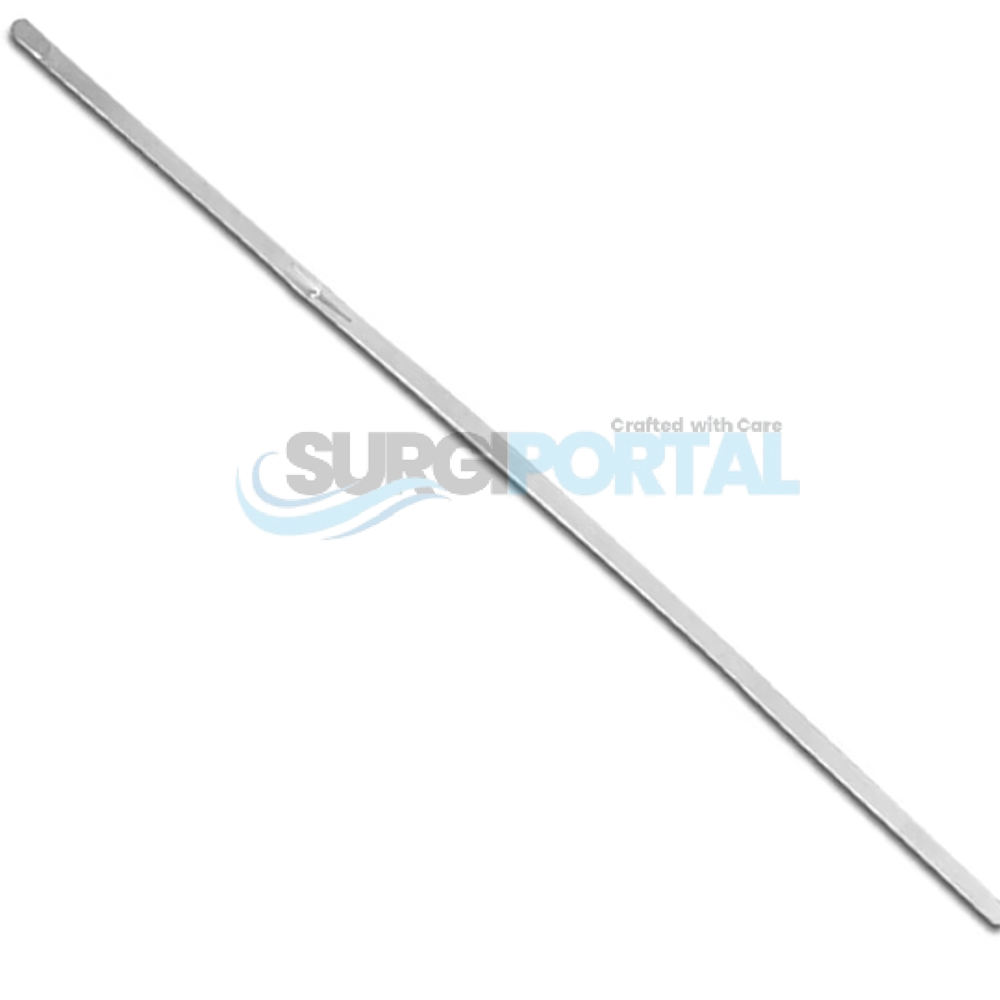
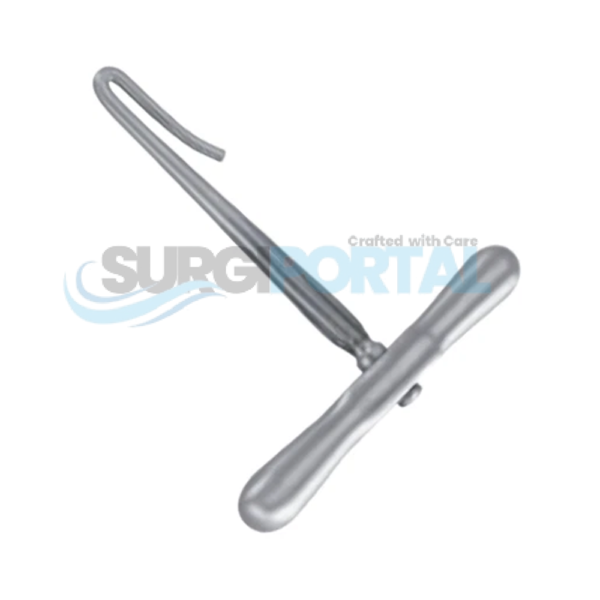
Pediatric Gigli Saw is a flexible wire bone-cutting instrument designed for controlled osteotomy and precise bone sectioning during pediatric orthopedic, neurosurgical, and craniofacial procedures. Featuring a fine-diameter serrated wire and compatibility with standard Gigli saw handles and guides, this instrument provides enhanced maneuverability, precise cutting performance, and safe use in smaller anatomical structures.
$100.00Original price was: $100.00.$60.00Current price is: $60.00.
Pediatric Gigli Saw is a specialized surgical bone-cutting instrument commonly used by pediatric orthopedic surgeons, pediatric neurosurgeons, craniofacial surgeons, and maxillofacial specialists during procedures requiring delicate bone division in infants and children.
The instrument consists of a flexible, multi-strand stainless steel wire with precision-engineered cutting serrations designed to cut bone through a controlled reciprocating sawing motion. Its pediatric-specific design incorporates a finer wire diameter and optimized cutting profile to facilitate precise osteotomy while minimizing trauma to surrounding tissues.
The flexible wire construction allows the saw to be guided around small anatomical structures with the assistance of compatible Gigli saw guides or carriers. This design provides excellent access to confined operative fields where rigid bone-cutting instruments may be difficult to use.
Integrated end loops or eyelets enable secure attachment to standard Gigli saw handles, ensuring stable traction and precise control during bone cutting procedures.
Pediatric Gigli Saws are commonly used in craniofacial reconstruction, pediatric craniotomy procedures, corrective osteotomies, congenital deformity correction, and pediatric trauma surgery.
Available in multiple lengths and wire diameters, the instrument can be selected according to patient anatomy and specific procedural requirements.
Manufactured from premium surgical-grade stainless steel, the saw offers exceptional flexibility, corrosion resistance, and dependable cutting performance. Depending on the specific model and manufacturer, Pediatric Gigli Saws may be supplied as sterile single-use devices or reusable instruments.
Widely used in children’s hospitals, specialized surgical centers, and pediatric operating rooms, Pediatric Gigli Saws remain essential instruments for delicate bone-cutting procedures.
Common Clinical Applications Include:
Pediatric Craniotomy Procedures
Craniofacial Reconstruction
Pediatric Orthopedic Osteotomies
Congenital Deformity Correction
Maxillofacial Surgery
Craniosynostosis Procedures
Pediatric Trauma Surgery
Bone Grafting Procedures
Corrective Bone Surgery
Pediatric Neurosurgery
Specifications
Feature
Details
Product Name
Pediatric Gigli Saw
Instrument Type
Pediatric Flexible Wire Bone Saw
Function
Bone Cutting and Osteotomy
Design
Fine-Diameter Serrated Multi-Strand Wire
Operation
Manual Reciprocating Motion
Handle Connection
Integrated End Loops or Eyelets
Compatibility
Standard Gigli Saw Handles, Guides, and Carriers
Material
Surgical-Grade Stainless Steel
Available Sizes
Multiple Pediatric Lengths and Wire Diameters
Sterility
Sterile or Non-Sterile Options Available*
Reusability
Single-Use or Reusable Options Available*
Application
Pediatric Orthopedic, Neurosurgical, and Craniofacial Procedures
*Sterility and reusability depend on the specific model and manufacturer.
Frequently Asked Questions
What is a Pediatric Gigli Saw used for?
It is used for controlled bone cutting and osteotomy procedures in pediatric orthopedic, neurosurgical, and craniofacial surgeries.
How does a Pediatric Gigli Saw differ from a standard Gigli Saw?
It features a finer wire diameter and an optimized design for smaller anatomical structures and delicate pediatric bone-cutting procedures.
How is the saw operated?
The saw is passed around the target bone using a guide or carrier, attached to compatible handles, and operated with a reciprocating motion.
Which procedures commonly require this instrument?
It is frequently used during craniofacial reconstruction, pediatric craniotomy procedures, corrective osteotomies, and congenital deformity correction surgeries.
Is the Pediatric Gigli Saw compatible with standard Gigli handles?
Yes. It is designed for use with compatible Gigli saw handles, guides, and carriers.
Is the Pediatric Gigli Saw reusable?
Reusability depends on the specific model. Both single-use and reusable options may be available.
What material is used to manufacture the saw?
It is typically manufactured from surgical-grade stainless steel for flexibility, durability, and corrosion resistance.