

-13%
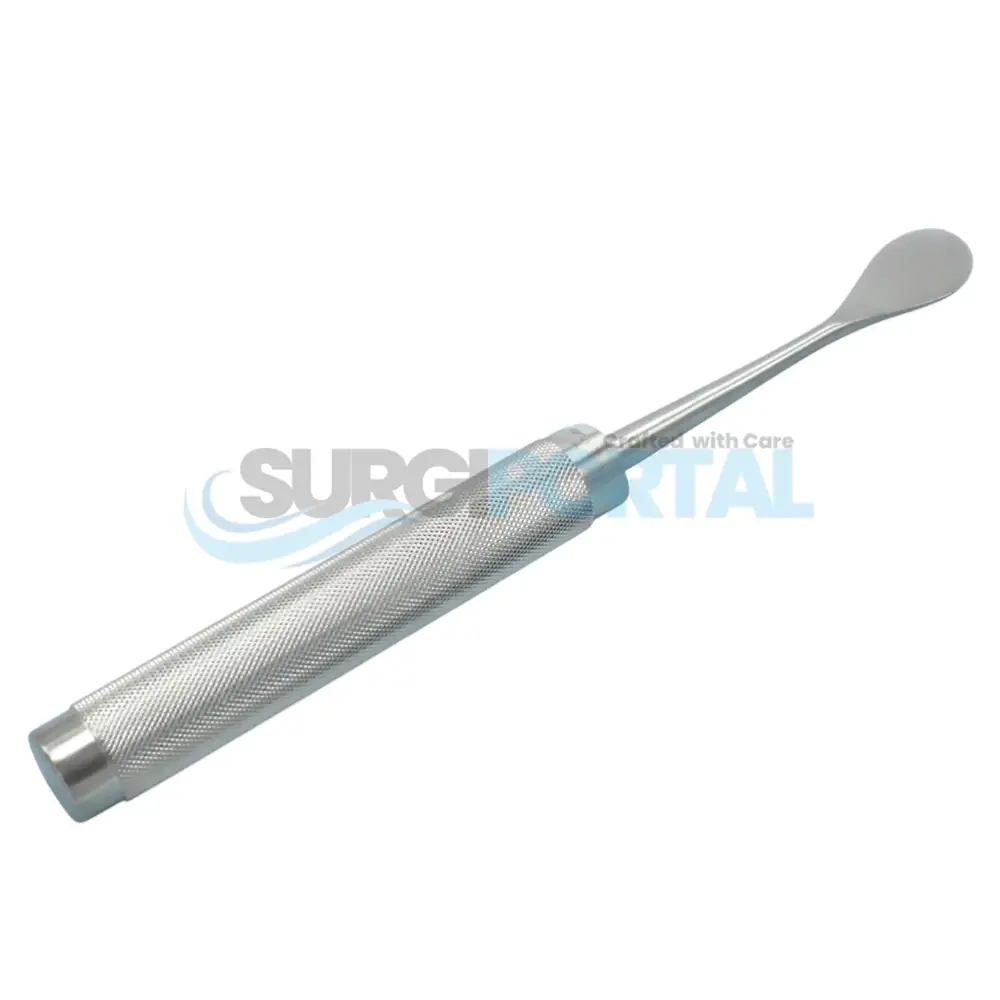
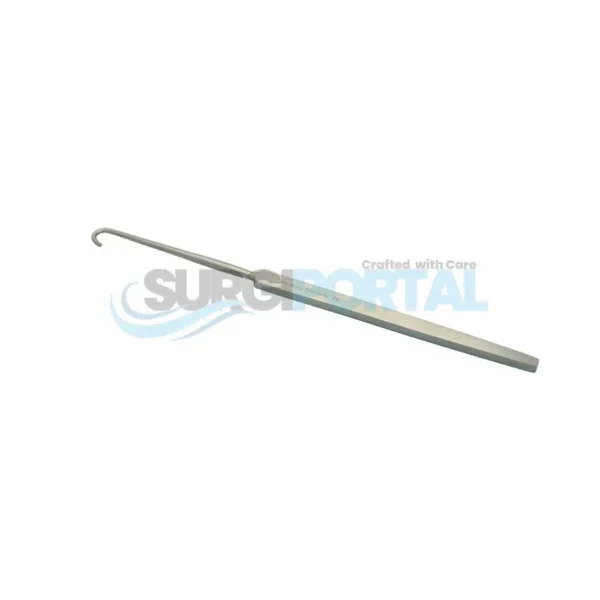
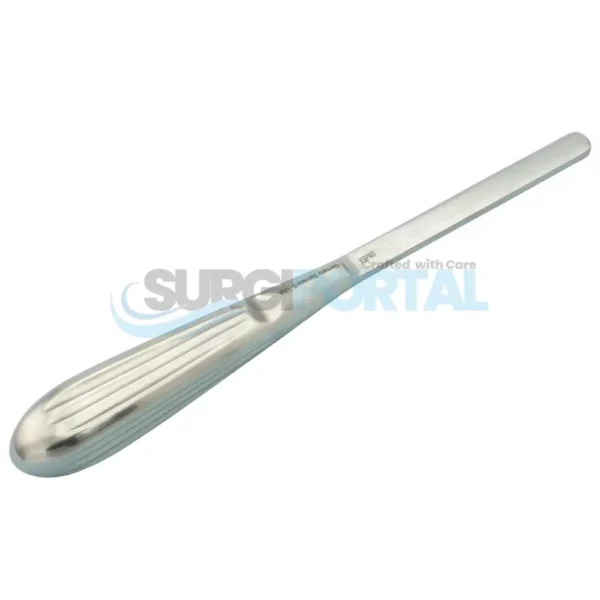
The OR Grade Spinal Cobb Elevator 25mm is a specialized orthopedic spine instrument designed for controlled tissue elevation, dissection, and exposure of bone during spinal procedures. Its 25mm working end provides a broad surface for efficient surgical manipulation and retraction of soft tissue.
$150.00 Original price was: $150.00.$130.00Current price is: $130.00.
Payment Methods:

The OR Grade Spinal Cobb Elevator 25mm Orthopedic Spine Instrument is a specialized surgical instrument designed for use in spinal and orthopedic procedures requiring controlled elevation and separation of soft tissue from bone. Cobb elevators are commonly used to facilitate surgical exposure by helping the surgeon dissect, elevate, and mobilize tissue around the spine and other orthopedic anatomical structures.
Featuring a 25mm working width, this spinal Cobb elevator provides a relatively broad working surface that can be useful when larger areas of tissue require controlled elevation. The instrument is designed to provide a direct interface between the surgeon’s hand and the operative site, supporting precise manipulation during surgical exposure and preparation.
Cobb elevators are frequently associated with spinal surgery, where controlled subperiosteal dissection and tissue elevation may be required to expose vertebral structures. Depending on the specific instrument profile and surgical technique, they may also be used in orthopedic procedures involving bone exposure, tissue mobilization, and preparation of the operative field.
The broad working end is designed to distribute applied pressure over a larger surface than a narrow elevator, which can provide useful control during tissue elevation. The instrument should nevertheless be used with appropriate surgical technique and force based on the patient’s anatomy and the specific procedure.
The Cobb elevator’s design supports controlled dissection and tissue elevation while maintaining a clear surgical working area. Its rigid construction is intended to provide stability during manipulation, making it suitable for professional orthopedic and spine operating rooms.
This type of surgical elevator is typically manufactured from surgical-grade stainless steel, providing strength and durability for professional instrument use when supplied as a reusable device. Stainless steel construction also supports routine cleaning and processing when the instrument is maintained according to validated manufacturer instructions.
The 25mm size offers a practical working width for spinal and orthopedic applications where a broader elevator is preferred. Its dimensions should be matched with the surgical technique, anatomical location, and surgeon’s requirements.
Before each procedure, the instrument should be inspected for cleanliness, surface damage, deformation, corrosion, and integrity of the working end. Any instrument with visible damage or compromised function should be evaluated before use. Proper handling is important to maintain the working surface and overall instrument condition.
For reusable instruments, cleaning and sterilization should be performed using validated procedures appropriate for the instrument. Follow the manufacturer’s instructions and the healthcare facility’s approved instrument-reprocessing protocol. Thorough drying and appropriate storage can help minimize corrosion and preserve the instrument’s condition.
The Spinal Cobb Elevator 25mm is a practical addition to orthopedic spine instrument sets, spinal surgery trays, and general orthopedic surgical systems requiring a broad elevator for controlled tissue elevation, dissection, and bone exposure.
| Specification | Details |
|---|---|
| Product Name | Spinal Cobb Elevator |
| Instrument Type | Cobb Elevator / Tissue Elevator |
| Working Width | 25mm |
| Primary Function | Tissue Elevation & Surgical Exposure |
| Surgical Specialty | Spine & Orthopedic Surgery |
| Applications | Spinal Exposure, Tissue Elevation, Bone Exposure |
| Working End | Broad Elevator |
| Design | Rigid Surgical Elevator |
| Material | Surgical-Grade Stainless Steel* |
| Usage | Professional Surgical Use |
| Reusable | Yes, when supplied as a reusable instrument |
| Sterilization | According to validated manufacturer and facility protocols |
*Material specification should be confirmed against the manufacturer’s product documentation where required.
A spinal Cobb elevator is used for controlled elevation and dissection of soft tissue from bone to assist with surgical exposure during spinal and orthopedic procedures.
The 25mm measurement generally refers to the width of the instrument’s working end, providing a relatively broad surface for tissue elevation.
Yes. Cobb elevators are commonly included in spinal surgical instrument sets for tissue elevation, dissection, and exposure of vertebral structures.
A broader working end can provide greater surface contact during tissue elevation and may be useful when exposing larger areas of the operative field.
Cobb elevators are commonly manufactured from surgical-grade stainless steel for strength, durability, and corrosion resistance when properly maintained.
When supplied as a reusable instrument, it can be cleaned, inspected, and sterilized according to validated manufacturer instructions and healthcare facility protocols.
Cobb elevators may be used in selected orthopedic and reconstructive procedures involving tissue elevation, bone exposure, and surgical dissection, depending on the instrument design and surgical technique.
The instrument should be cleaned and sterilized according to the manufacturer’s validated instructions and the healthcare facility’s approved instrument-processing procedures.
No account yet?
Create an Account