

-14%
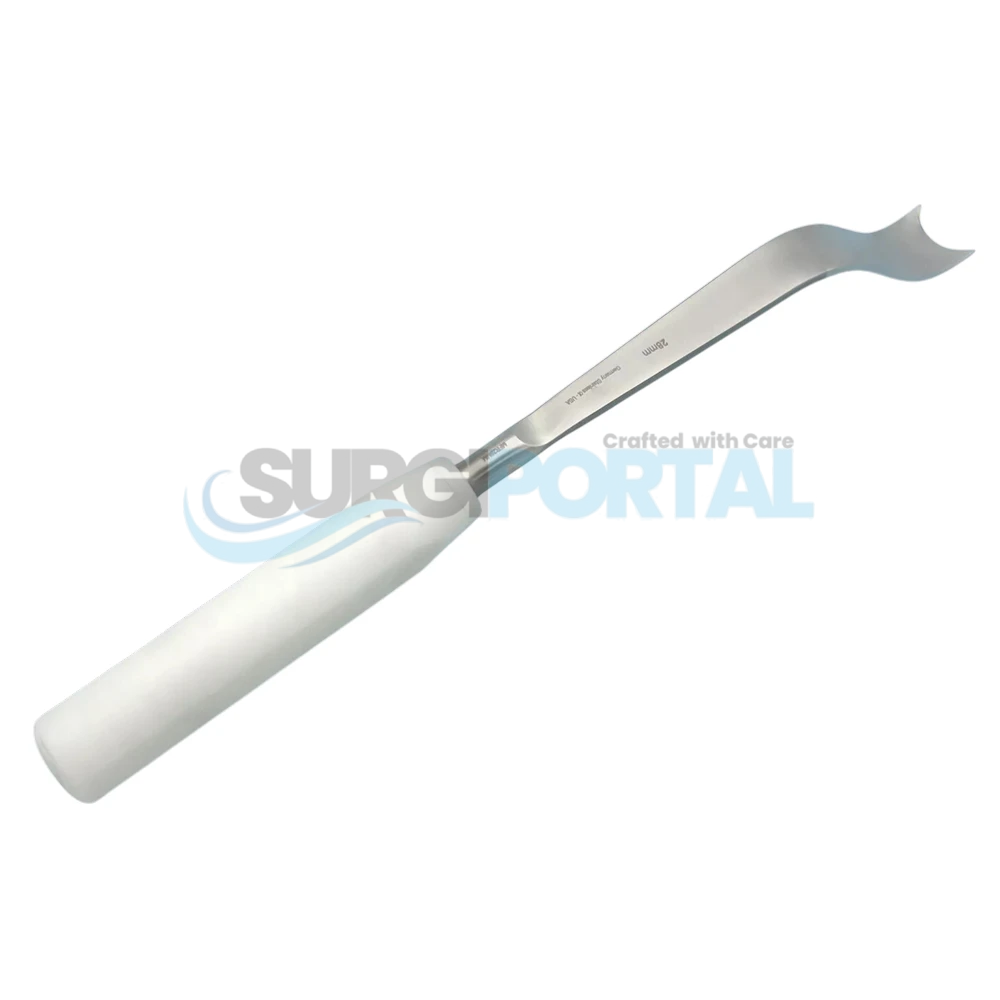
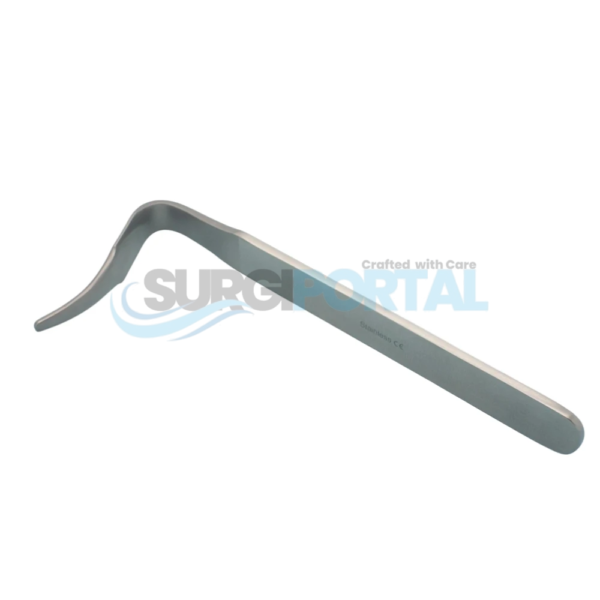
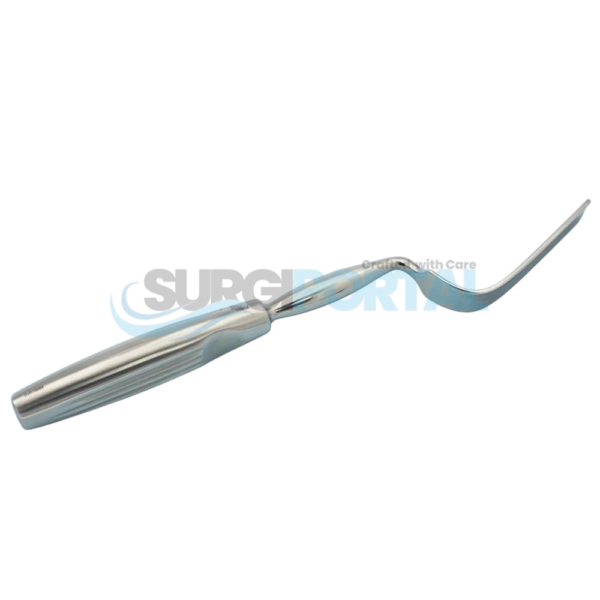
The Muller Femoral Forked Retractor 28mm is a specialized orthopedic surgical instrument designed to provide controlled retraction and exposure around the femur during orthopedic procedures. Its forked working end supports secure positioning and effective access to the operative field.
$280.00 Original price was: $280.00.$240.00Current price is: $240.00.
Payment Methods:

The Muller Femoral Forked Retractor 28mm Orthopedic Mueller type Dislocation Lever is a specialized orthopedic surgical instrument designed to assist surgeons with controlled retraction, femoral exposure, and manipulation during orthopedic procedures. Its forked working end provides a practical contact surface for positioning against bone and surrounding tissues, helping the surgical team maintain access to the operative field.
Also referred to as a Mueller Type Dislocation Lever, this instrument is designed for applications where controlled leverage and exposure around the femur are required. The forked configuration allows the instrument to engage the surgical area while providing the surgeon with a stable point of contact for controlled manipulation.
The 28mm working dimension offers a compact profile suitable for orthopedic procedures requiring focused exposure. Its design can be particularly useful when working around the proximal femur and hip region, where adequate visualization and controlled retraction are important for surgical access. The instrument may be incorporated into orthopedic instrument sets alongside femoral retractors, bone levers, reduction forceps, osteotomes, rasps, and other hip and trauma surgical instruments.
Muller femoral retractors and dislocation levers may be used during procedures involving the hip and femur where controlled manipulation or exposure is required. Potential applications include hip surgery, orthopedic trauma procedures, femoral exposure, fracture management, reconstructive procedures, and joint-related surgery. The exact positioning and application should be determined by the qualified surgeon according to the operative technique and patient anatomy.
The forked working end is designed to provide controlled contact with the operative area while helping maintain the desired position during surgery. This configuration can assist with exposure without requiring excessive instrument movement. A properly positioned retractor may help create additional working space and improve visualization for the surgical team.
For professional surgical applications, the instrument is typically manufactured from surgical-grade stainless steel. This material provides the strength and rigidity required for orthopedic instrumentation while offering resistance to corrosion when the instrument is properly cleaned, dried, maintained, and sterilized. Its durable construction is intended to support repeated use in demanding surgical environments.
The instrument should be carefully cleaned after each procedure to remove blood, tissue, and other biological contaminants. Particular attention should be given to the forked working end and contact surfaces. Following cleaning, the retractor should be inspected for bending, deformation, cracks, corrosion, or other signs of damage that could affect performance. Sterilization should be performed using a validated method compatible with the instrument and according to applicable manufacturer and healthcare-facility protocols.
The Muller Femoral Forked Retractor 28mm Orthopedic Mueller Type Dislocation Lever provides a practical solution for orthopedic surgical teams requiring a dedicated instrument for femoral exposure and controlled manipulation. Its forked design, compact 28mm working profile, durable construction, and orthopedic-focused functionality make it a useful addition to professional hip, femoral, and trauma surgery instrument sets.
| Specification | Details |
|---|---|
| Product Name | Muller Femoral Forked Retractor |
| Instrument Type | Femoral Retractor / Dislocation Lever |
| Design | Muller / Mueller Type |
| Surgical Specialty | Orthopedic Surgery |
| Working Size | 28mm |
| Working End | Forked |
| Primary Application | Femoral Retraction & Manipulation |
| Common Surgical Area | Femur / Hip Region |
| Construction | Surgical-Grade Stainless Steel |
| Instrument Category | Orthopedic Surgical Instrument |
| Reusable | Yes, when appropriately reprocessed |
| Sterilization | Compatible with validated sterilization procedures |
| Intended Use | Professional Surgical Use |
A Muller Femoral Forked Retractor is used for controlled femoral exposure, retraction, and manipulation during orthopedic and trauma surgical procedures.
A Mueller Type Dislocation Lever is an orthopedic instrument designed to provide controlled leverage and manipulation around the hip and femoral surgical field during applicable procedures.
This model has a 28mm working dimension, providing a compact working profile for focused orthopedic surgical applications.
Yes. The Muller-style femoral retractor may be incorporated into hip and orthopedic instrument sets for procedures requiring controlled femoral exposure or manipulation.
The instrument is typically manufactured from surgical-grade stainless steel, providing strength, durability, and corrosion resistance when appropriately maintained.
Yes. As a reusable surgical instrument, it can be cleaned and sterilized using a validated method suitable for surgical stainless steel and according to applicable reprocessing instructions.
The instrument should be thoroughly cleaned after use, paying attention to the forked working end, inspected for damage or deformation, dried appropriately, and sterilized according to validated medical instrument-processing procedures.
No account yet?
Create an Account