

-27%
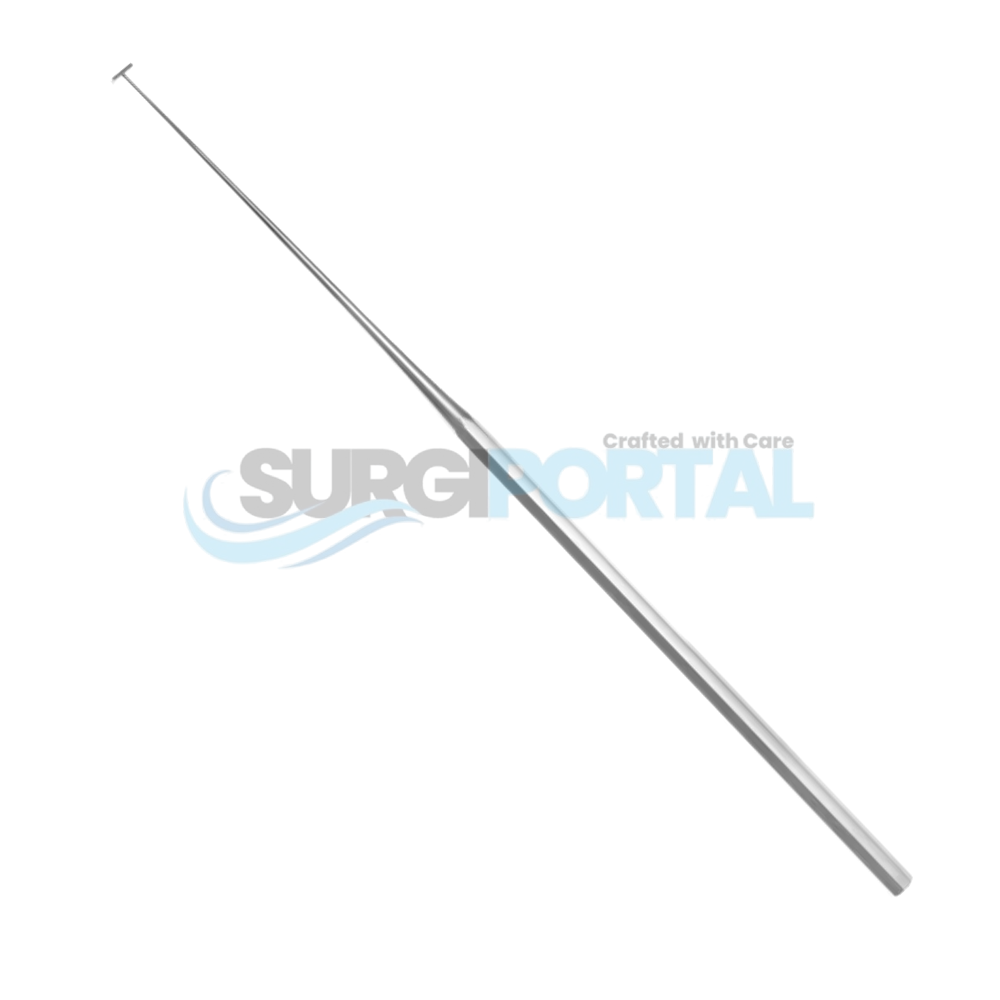
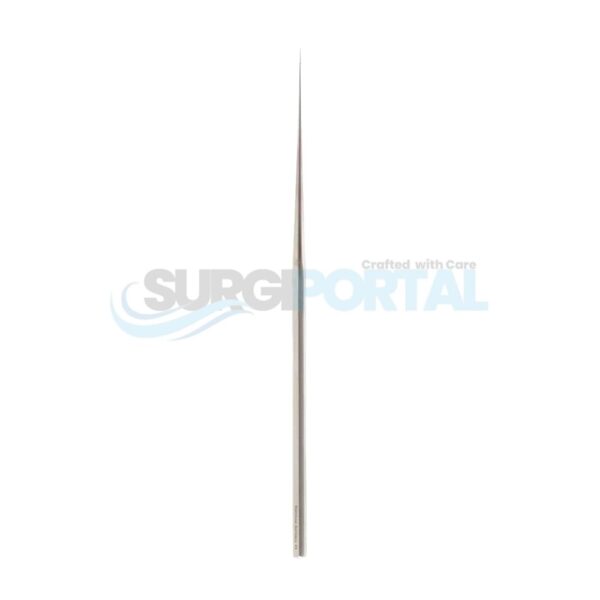
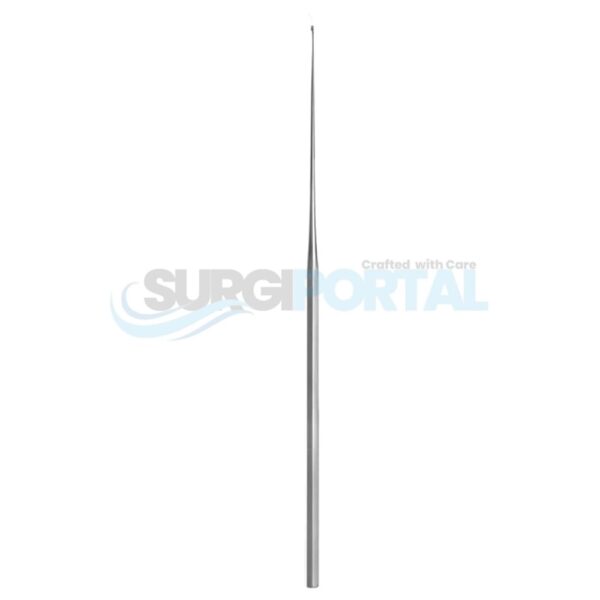
The Fenestrometer is a precision surgical instrument designed for controlled fenestration and delicate tissue manipulation in appropriate ENT procedures. Its specialized working end supports accurate handling in confined surgical areas.
$110.00 Original price was: $110.00.$80.00Current price is: $80.00.
Payment Methods:

The Fenestrometer is a specialized surgical instrument designed for precision fenestration and controlled tissue manipulation in otolaryngology and other appropriate surgical applications. Its purpose-built design allows healthcare professionals to perform delicate work where accurate positioning and careful tissue handling are essential.
Fenestration refers to creating or working with a small opening or window in tissue or anatomical structures. A dedicated fenestration instrument such as the Fenestrometer can provide the controlled access needed for specific surgical techniques. Its compact working end is designed to support precise movements while helping the surgeon maintain a clear and controlled approach to the operative site.
The instrument is particularly useful in procedures where access is limited and fine manipulation is required. Its specialized configuration allows it to be incorporated into ENT and otolaryngology instrument sets as part of a broader range of precision surgical tools. Depending on the surgical technique and compatible instrumentation, it may assist with carefully controlled fenestration or related tissue-handling tasks.
Professional surgical instruments require a combination of functional design, strength, and reliable handling. The Fenestrometer is typically manufactured from surgical-grade stainless steel or another suitable medical-grade material, providing durability and resistance to corrosion when properly cared for. The finished surface is designed to support routine cleaning and inspection as part of a professional instrument-reprocessing workflow.
The instrument’s construction is intended to provide controlled handling during delicate procedures. A well-balanced surgical instrument can help reduce unnecessary movement and allow the operator to maintain better control of the working end. This is particularly valuable when performing precision tasks near sensitive anatomical structures.
For long-term performance, appropriate cleaning and maintenance are essential. After use, the Fenestrometer should be cleaned according to the healthcare facility’s validated reprocessing procedure. Residual biological material should be removed promptly, followed by thorough rinsing, drying, and inspection. The instrument should then be sterilized using a validated method appropriate for the instrument and in accordance with applicable manufacturer instructions.
The Fenestrometer can be a practical addition to ENT surgical trays, otolaryngology instrument collections, and specialty surgical sets requiring precision instruments for controlled fenestration and tissue manipulation. Its specialized design and durable construction make it suitable for professional clinical environments where accuracy, reliability, and proper instrument care are important.
| Specification | Details |
|---|---|
| Product Name | Fenestrometer |
| Instrument Type | Precision Surgical Instrument |
| Primary Function | Fenestration / Tissue Manipulation |
| Specialty | ENT / Otolaryngology |
| Working End | Specialized Fenestration Design |
| Material | Surgical-Grade Stainless Steel or Equivalent |
| Use | Professional Surgical Use |
| Reusable | Yes, when supplied as a reusable instrument |
| Sterilization | Follow validated facility protocol and manufacturer instructions |
| Finish | Smooth Surgical Instrument Finish |
| Maintenance | Clean, Dry, Inspect and Sterilize as Applicable |
A Fenestrometer is a specialized surgical instrument intended for controlled fenestration and delicate tissue manipulation during appropriate surgical procedures.
It is suitable for appropriate ENT and otolaryngology applications where a specialized instrument is required for precision fenestration or tissue handling.
Fenestration generally refers to creating or working with a small opening or window in tissue or an anatomical structure as part of a specific surgical technique.
Reusable versions are typically manufactured from surgical-grade stainless steel or another suitable medical-grade material.
Reusable versions can be reprocessed using an appropriate validated cleaning and sterilization procedure. Always follow applicable manufacturer instructions.
The instrument should be cleaned promptly after use, thoroughly dried, inspected for damage or wear, and reprocessed according to the healthcare facility’s validated protocol.
If supplied as a reusable surgical instrument, it is intended for repeated professional use when properly cleaned, maintained, inspected, and sterilized.
No account yet?
Create an Account