

-35%
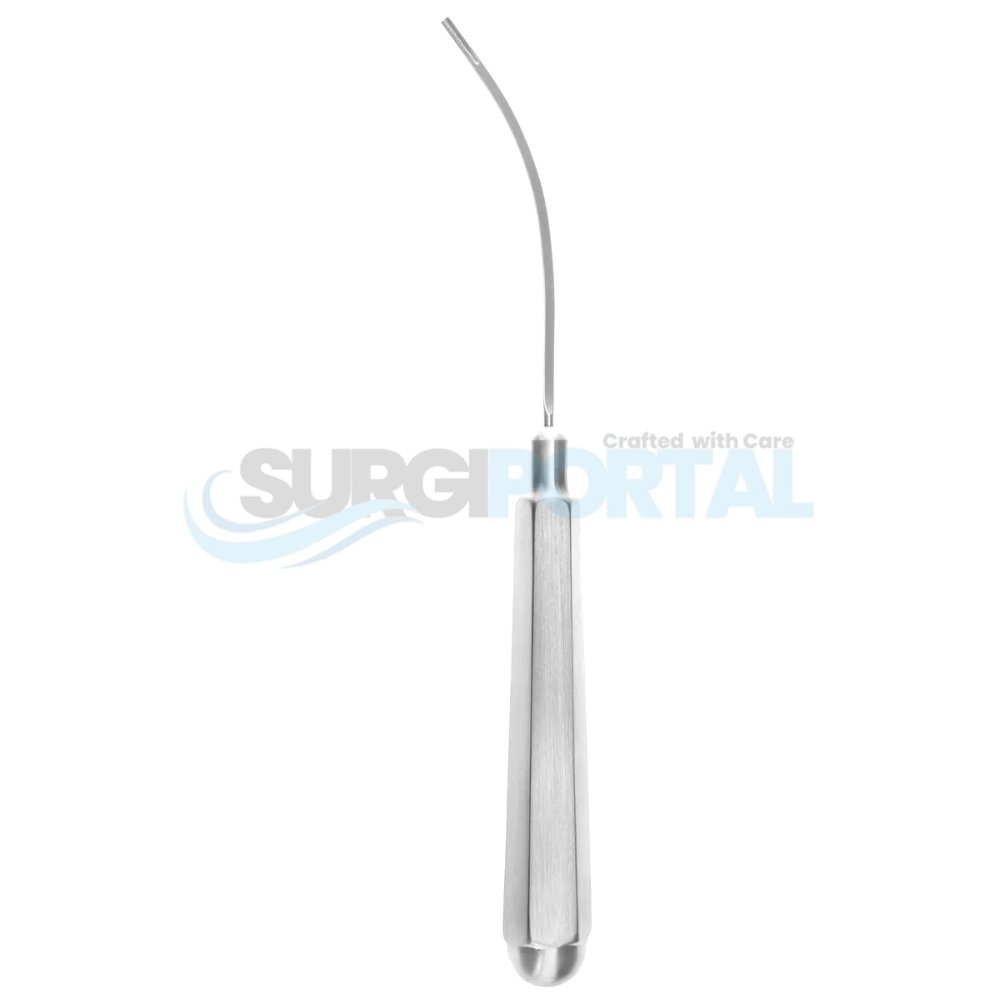
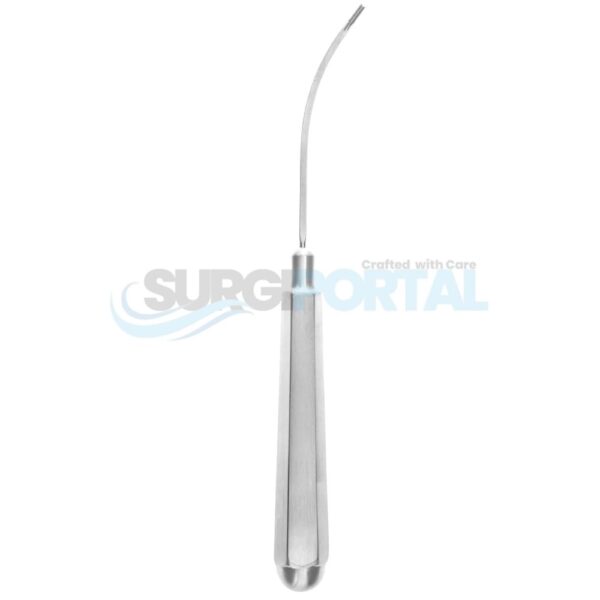
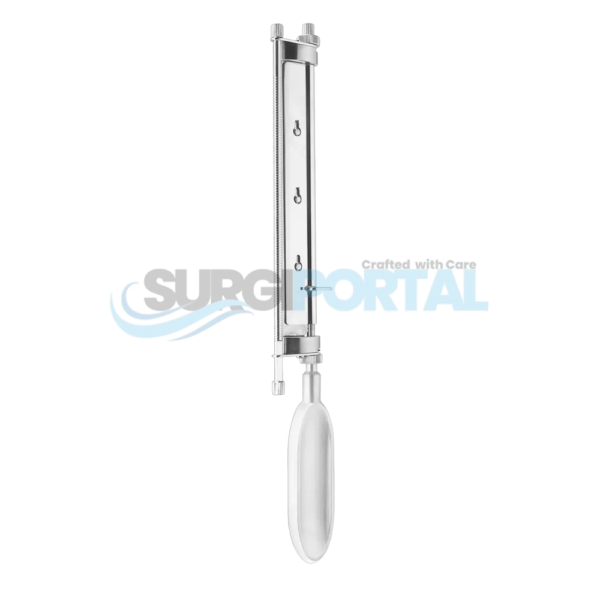
The Dingman Otoabrader Left Ear Hollow Handle is a specialized otologic surgical instrument designed for procedures involving the left ear. Its hollow-handle configuration supports controlled manipulation and precise handling during delicate ENT and ear surgery.
$100.00 Original price was: $100.00.$65.00Current price is: $65.00.
Payment Methods:

The Dingman Otoabrader Left Ear Hollow Handle is a specialized surgical instrument designed for otologic and ENT procedures involving the left ear. Its dedicated left-ear configuration allows the instrument to be positioned according to the operative anatomy and surgical approach, making it a useful addition to specialized ear surgery instrument sets.
An otoabrader is used in procedures where controlled abrasion, removal, or preparation of tissue or bone may be required. The instrument provides the surgeon with a dedicated working interface for delicate manipulation within the ear, where access, visibility, and controlled instrument movement are particularly important. The Dingman design is intended for professional surgical use and should be selected according to the specific procedure and operative technique.
The left-ear orientation is an important feature of this instrument. A side-specific design can help provide a more appropriate approach to the operative site and may support improved positioning when working around the anatomical structures of the left ear. This can be particularly valuable during procedures requiring careful access within the external auditory canal or other accessible otologic areas.
The hollow handle provides a practical grip for controlled manual manipulation. Its configuration is intended to support precise movement while allowing the surgeon to maintain appropriate control during delicate ear procedures. Proper handling and positioning remain essential when working around sensitive anatomical structures.
The Dingman Otoabrader may be incorporated into otology, neurotology, and general ENT surgical instrument sets where an otoabrader is appropriate. Potential applications depend on the specific design and operative technique and may include procedures requiring controlled preparation or removal of selected tissue or bone. The instrument should always be used by appropriately trained medical professionals according to established surgical protocols.
For reusable surgical instruments, construction is commonly based on surgical-grade stainless steel or another suitable medical-instrument material selected for durability, corrosion resistance, and repeated clinical use. The hollow-handle design should be carefully inspected during cleaning to ensure that accessible areas are free from biological material and surgical debris.
After use, the instrument should undergo appropriate cleaning, inspection, and sterilization according to the manufacturer’s validated instructions and the healthcare facility’s reprocessing protocol. Hollow or recessed areas require particular attention during cleaning because retained contaminants can interfere with effective sterilization. Proper maintenance also helps preserve the instrument’s mechanical performance and overall condition.
The Dingman Otoabrader Left Ear Hollow Handle offers a dedicated solution for ENT and otologic procedures requiring a left-ear-specific instrument configuration. Its specialized design, hollow handle, and controlled working profile make it suitable for professional surgical environments where precise access and dependable instrument handling are important.
Before each procedure, the instrument should be inspected for cleanliness, structural integrity, and proper function. Any instrument showing damage, corrosion, deformation, or compromised working components should be evaluated according to the facility’s instrument-management procedures before clinical use.
| Specification | Details |
|---|---|
| Product Name | Dingman Otoabrader |
| Instrument Type | Otoabrader |
| Ear Configuration | Left Ear |
| Handle Type | Hollow Handle |
| Surgical Specialty | ENT / Otology |
| Primary Application | Otologic Surgical Procedures |
| Design | Left-Sided Otoabrader |
| Material | Surgical-grade instrument material, depending on specification |
| Reusable | Depending on supplied configuration |
| Sterilization | Follow validated manufacturer/facility protocol |
| Intended Users | ENT Surgeons and Trained Healthcare Professionals |
A Dingman Otoabrader is a specialized otologic instrument used for controlled preparation, abrasion, or removal of suitable tissue or bone during selected ear surgery procedures.
Yes. This model is specifically identified as a Left Ear Dingman Otoabrader.
The hollow handle provides a practical gripping configuration for controlled manual manipulation during delicate otologic procedures.
Yes. The Dingman Otoabrader is intended for specialized ENT and otologic applications involving the ear.
An otoabrader may be appropriate for selected tissue or bone preparation depending on its specific working design and the surgeon’s technique. It should only be used for indications supported by the instrument specification.
Reusability depends on the supplied configuration. Reusable versions should be cleaned, inspected, and sterilized according to validated manufacturer instructions.
Special attention should be given to hollow or recessed areas during cleaning to ensure that biological material and debris are adequately removed before sterilization.
It is intended for appropriately trained ENT, otologic, and other qualified surgical professionals in suitable clinical settings.
No account yet?
Create an Account