

-46%
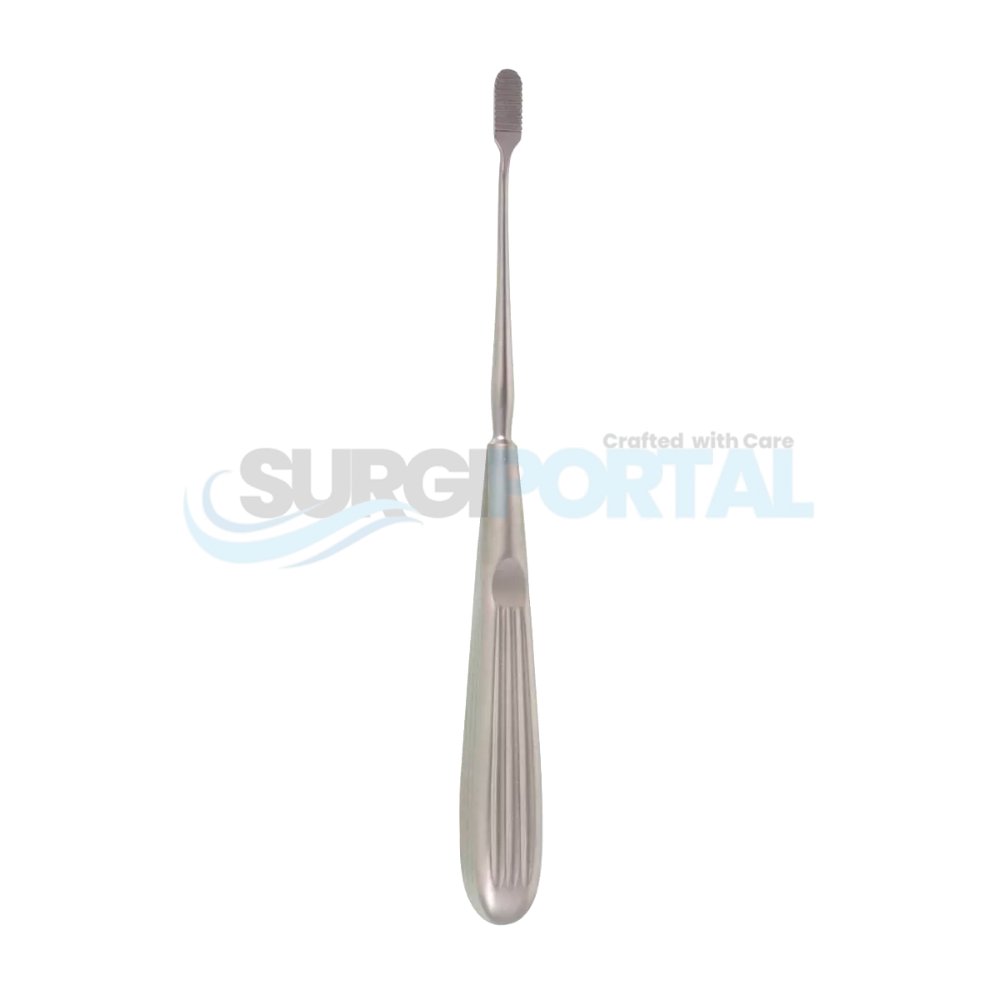
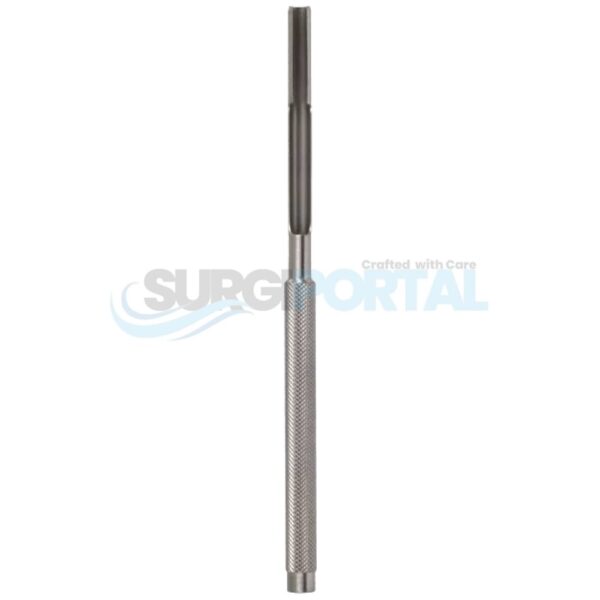
The 7 1/4″ Lewis Rasp Downstroke is designed for controlled rasping, smoothing, and refinement of bone during surgical procedures. Its downstroke configuration provides a practical working orientation for precise bone contouring and surface preparation.
$120.00 Original price was: $120.00.$65.00Current price is: $65.00.
Payment Methods:

The 7 1/4″ Lewis Rasp Downstroke is a specialized surgical bone rasp designed for controlled shaping, smoothing, and contouring of bony surfaces during orthopedic and other surgical procedures. Its 7 1/4-inch length provides a practical balance between surgical reach and instrument control, while the downstroke configuration allows the working surface to be used with a downward rasping motion according to the surgeon’s preferred technique.
Bone rasping is commonly performed when gradual modification of a bony surface is required. A surgical rasp allows the surgeon to progressively smooth irregular areas, refine contours, and prepare bone following cutting or other surgical manipulation. The Lewis Rasp Downstroke is designed to provide controlled contact with bone, helping support accurate refinement without relying on a single aggressive cutting action.
The downstroke configuration is an important feature of this instrument. It positions the rasping surface to facilitate downward working movements, providing a specific direction of action during bone contouring. This can be useful when the surgeon requires controlled directional rasping within the operative field. The design allows the instrument to be manipulated deliberately while maintaining contact with the target bony surface.
At 7 1/4 inches in overall length, the Lewis Rasp provides useful access while remaining compact enough for controlled handling. The length can help maintain an appropriate hand position relative to the operative site and allows the working end to be directed accurately. This makes the instrument suitable for inclusion in orthopedic surgery instrument sets and other surgical trays requiring dedicated bone refinement instruments.
The Lewis Rasp Downstroke may be used in selected orthopedic and general surgical applications involving bone shaping and surface refinement. Depending on the procedure and surgical technique, applications may include smoothing irregular bony edges, contouring prepared bone surfaces, and refining areas following osteotomy or other bone preparation. The specific use should always be determined by the qualified surgical professional according to the procedure and clinical requirements.
The instrument is generally manufactured from surgical-grade stainless steel selected for strength, durability, and resistance to corrosion. Stainless-steel construction supports repeated professional handling and, when the instrument is supplied as reusable, routine cleaning and sterilization according to validated protocols. Proper maintenance helps preserve the working surface and overall functional condition of the instrument.
After use, the 7 1/4″ Lewis Rasp Downstroke should be cleaned promptly according to the manufacturer’s instructions and the healthcare facility’s validated instrument-reprocessing protocol. Biological material should be thoroughly removed from the working surface before sterilization. The instrument should then be rinsed, dried, inspected for damage or excessive wear, packaged appropriately, and sterilized using a validated method compatible with the instrument.
For hospitals, surgical centers, orthopedic practices, and medical instrument suppliers, the 7 1/4″ Lewis Rasp Downstroke provides a dedicated solution for controlled bone rasping and contour refinement. Its practical length and downstroke working configuration make it a useful addition to professional orthopedic and surgical instrument collections.
| Specification | Details |
|---|---|
| Product Name | 7 1/4″ Lewis Rasp Downstroke |
| Instrument Type | Surgical Bone Rasp |
| Design | Lewis Rasp |
| Working Direction | Downstroke |
| Overall Length | 7 1/4 Inches |
| Primary Function | Bone Shaping and Refinement |
| Surgical Specialty | Orthopedic and General Surgery |
| Working Action | Controlled Rasping |
| Material | Surgical-Grade Stainless Steel |
| Reusable | Yes, when supplied as a reusable instrument |
| Sterilization | According to validated reprocessing protocol |
| Intended Use | Professional Surgical Procedures |
The Lewis Rasp Downstroke is designed for controlled rasping, smoothing, shaping, and contouring of bone during selected orthopedic and surgical procedures.
Downstroke refers to the orientation of the rasping surface, which is designed to support a downward working motion during controlled bone refinement.
Yes. It can be incorporated into orthopedic instrument sets for procedures where controlled bone shaping, smoothing, or surface refinement is required.
The 7 1/4-inch length provides a practical combination of reach and handling control, allowing the working end to be positioned accurately while maintaining a useful hand position.
The instrument is generally manufactured from surgical-grade stainless steel, selected for strength, durability, and resistance to corrosion when properly maintained.
When supplied as a reusable surgical instrument, it should be cleaned, inspected, dried, packaged, and sterilized according to the manufacturer’s instructions and the facility’s validated reprocessing procedures.
Bone rasps may be used in selected orthopedic and general surgical procedures for gradual bone contouring, smoothing irregular edges, and refining prepared bony surfaces. Specific applications depend on the surgical technique and clinical indication.
No account yet?
Create an Account