

-40%
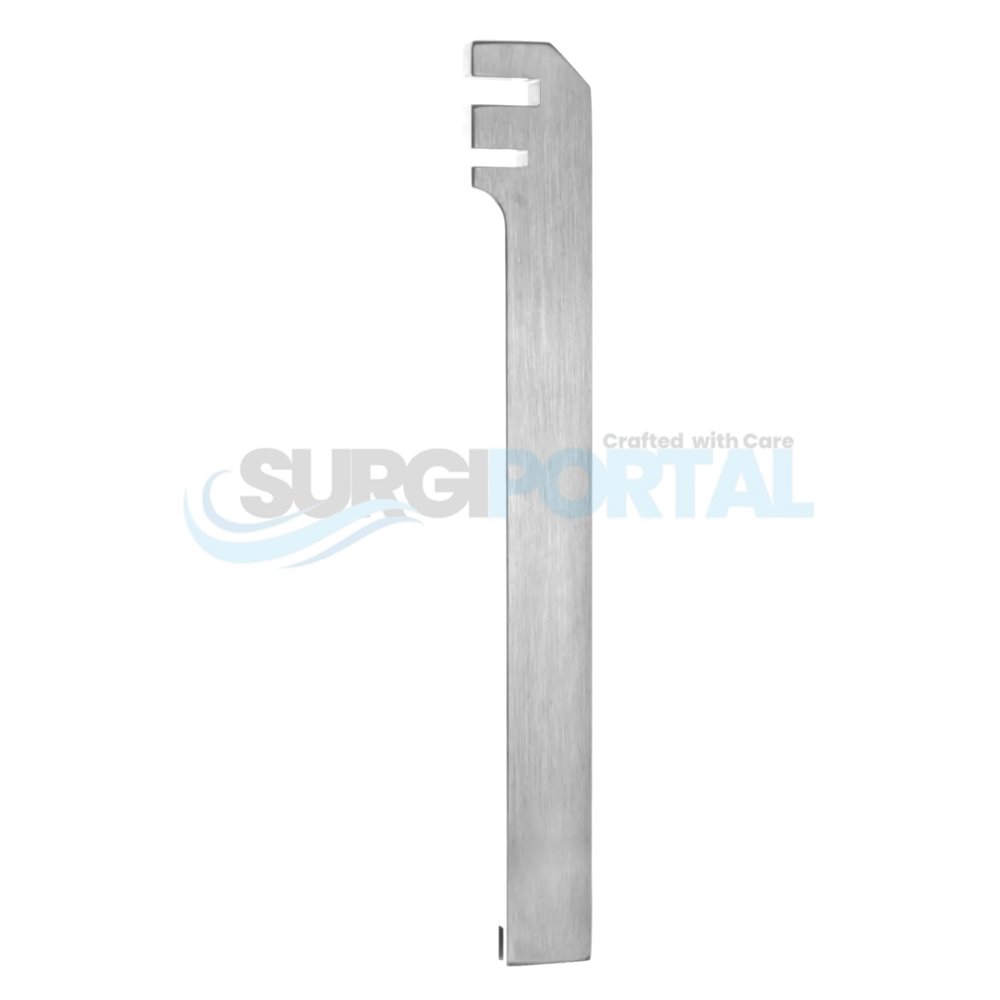
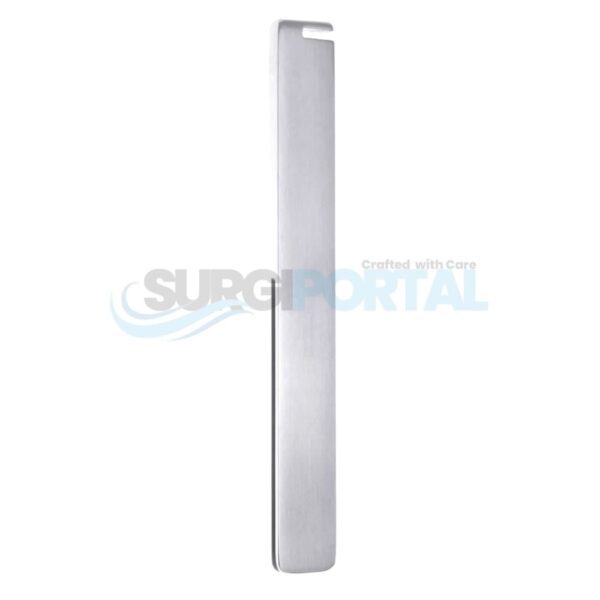
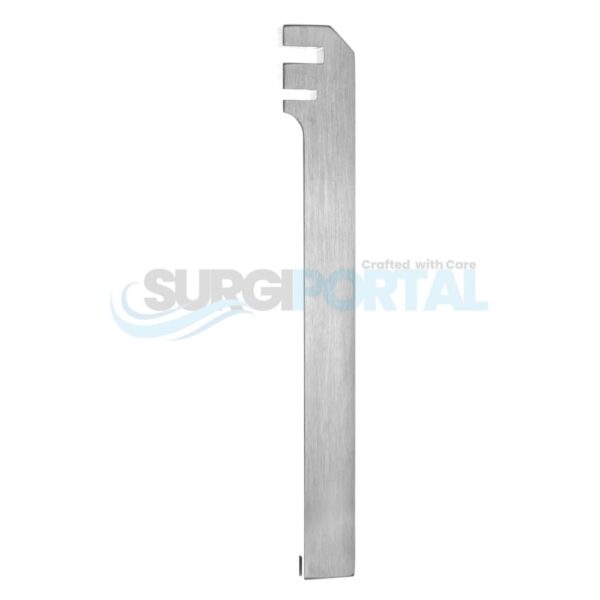
The 5 1/2″ Small Plate Bending Iron is designed for controlled contouring of compatible 2.7mm and 3.5mm orthopedic plates. Its compact configuration provides precise handling when adapting fixation plates to anatomical contours during fracture surgery.
$100.00 Original price was: $100.00.$60.00Current price is: $60.00.
Payment Methods:

The 5 1/2″ Small Plate Bending Iron (for 2.7 3.5mm plates) is a specialized orthopedic instrument used for controlled bending and contouring of compatible bone plates during fracture fixation procedures. It provides surgeons with a dedicated tool for adjusting plate shape when the selected implant requires additional contouring to correspond with the patient’s anatomy.
Plate contouring can be an important part of orthopedic fixation when the natural surface of the bone does not precisely correspond to the original shape of a fixation plate. The 5 1/2-inch small configuration provides a compact working profile for controlled manipulation of compatible plates while maintaining practical handling within the surgical field.
This bending iron is specified for use with 2.7mm and 3.5mm plate systems, making it suitable for selected small-fragment and related orthopedic fixation applications. The exact plates that can be safely manipulated with the instrument should always be confirmed according to the implant manufacturer’s specifications. Plate thickness or system designation alone should not be used to assume universal compatibility.
During fracture fixation, the surgeon may use a plate bending instrument to make controlled adjustments to the implant before final placement. Proper contouring can help the plate follow the intended bone surface and support appropriate positioning during fixation. The bending process should be performed progressively and carefully, with the plate evaluated against the relevant anatomical surface as required by the surgical technique.
The compact 5 1/2-inch length provides a balance between accessibility and manual control. It can be particularly useful within orthopedic trauma instrument sets where small and medium plate configurations require dedicated bending instrumentation. Its intended role is to support implant preparation rather than replace the surgeon’s assessment of plate fit, bone anatomy, or fixation stability.
The bending iron should only be used according to the approved technique for the compatible plate system. Excessive bending, bending at inappropriate locations, or repeated bending may alter the mechanical characteristics of an orthopedic implant. Some plate systems may also have specific limitations regarding the direction or location of bending. The applicable manufacturer instructions should therefore be reviewed before use.
The instrument should be inspected before each procedure for visible deformation, surface damage, corrosion, or other abnormalities. Particular attention should be given to the working areas that contact the implant. If supplied as a reusable surgical instrument, appropriate cleaning, disinfection, sterilization, inspection, and maintenance should be performed according to validated manufacturer instructions and facility protocols.
The 5 1/2″ Small Plate Bending Iron is intended for use by qualified orthopedic surgeons and trained surgical professionals. It can be incorporated into fracture fixation, orthopedic trauma, and small-fragment instrument sets where compatible 2.7mm and 3.5mm plates are used.
Exact material, jaw configuration, bending profile, and compatibility with individual implant systems should be confirmed from the manufacturer’s product documentation.
| Specification | Details |
|---|---|
| Product Name | 5 1/2″ Small Plate Bending Iron |
| Instrument Type | Orthopedic Plate Bending Instrument |
| Overall Length | 5 1/2 inches |
| Plate Compatibility | 2.7mm and 3.5mm plates |
| Configuration | Small |
| Primary Function | Plate bending and contouring |
| Primary Specialty | Orthopedic / Trauma Surgery |
| Common Application | Fracture fixation and implant preparation |
| Material | Refer to manufacturer specifications |
| Sterilization | Follow manufacturer instructions |
| Reusable | Yes, when supplied as a reusable instrument |
| Intended User | Qualified healthcare professionals |
1. What is the 5 1/2″ Small Plate Bending Iron used for?
It is used to contour compatible orthopedic plates so they can be appropriately adapted to the intended bone anatomy during fracture fixation.
2. Which plates is this bending iron designed for?
The instrument is specified for compatible 2.7mm and 3.5mm plates. Specific implant compatibility should be confirmed with the applicable manufacturer.
3. What does 5 1/2 inches refer to?
It refers to the approximate overall length of the plate bending iron.
4. Can it be used with any 2.7mm or 3.5mm plate?
No. Compatibility should be confirmed from the plate and instrument manufacturer’s documentation rather than assumed from plate size alone.
5. Why is a plate bending iron used during orthopedic surgery?
It allows controlled contouring of compatible fixation plates to better correspond with the intended anatomical surface before fixation.
6. Can orthopedic plates be bent multiple times?
Repeated or excessive bending may affect implant performance. The plate should be bent only according to the manufacturer’s approved technique and limitations.
7. Is this plate bending iron reusable?
When supplied as a reusable surgical instrument, it should be properly cleaned, inspected, sterilized, and maintained according to manufacturer instructions and healthcare facility protocols.
No account yet?
Create an Account