

-40%
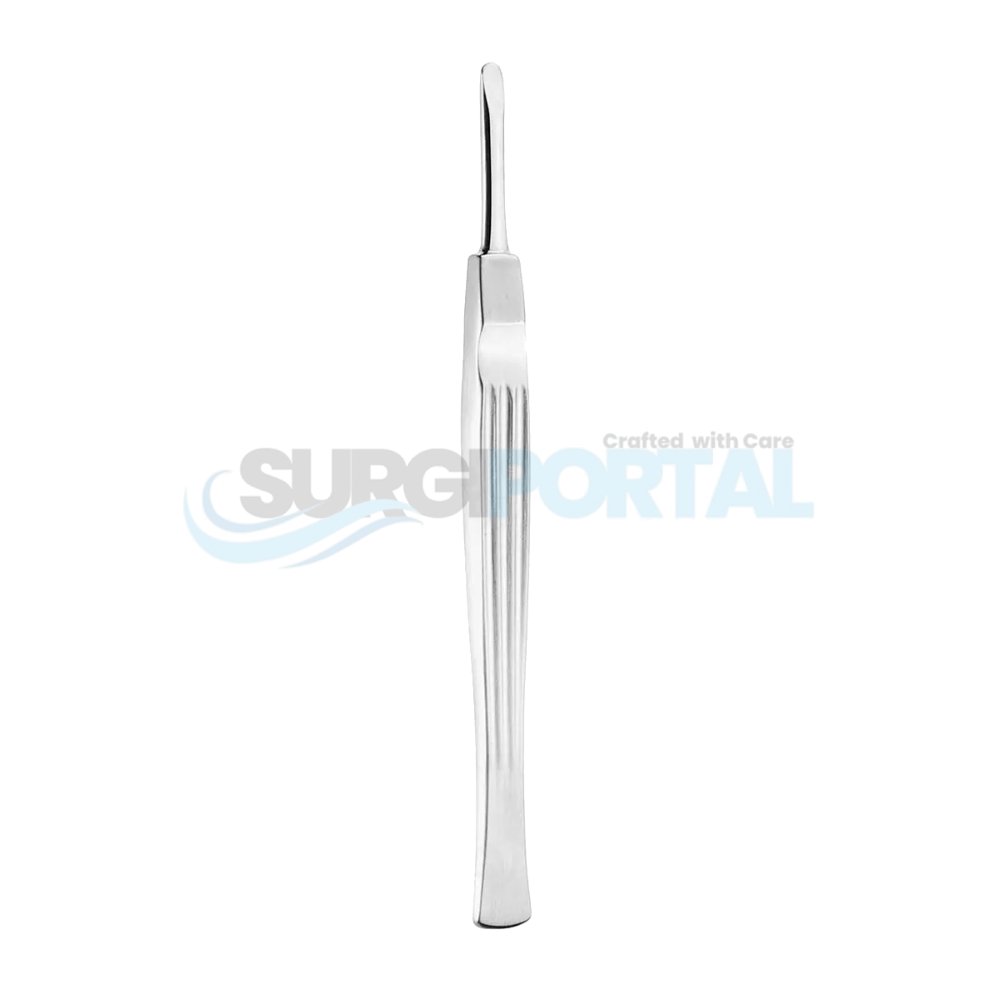
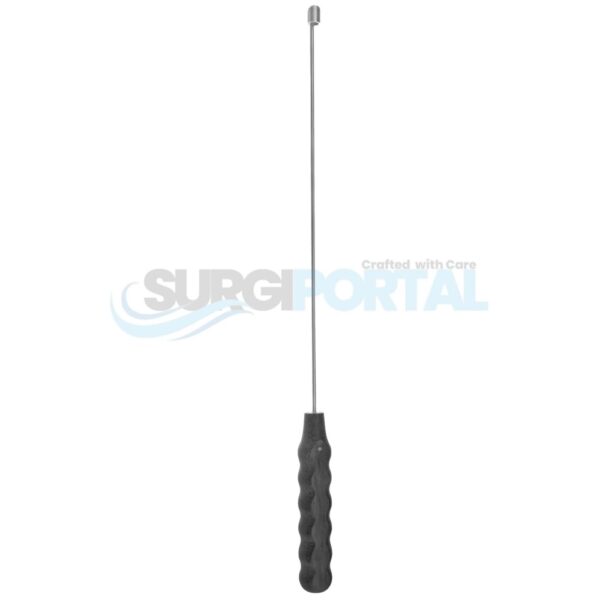
The Cottle Nasal Knife is a specialized ENT surgical instrument designed for controlled cutting and precise tissue dissection during nasal procedures. Its established design supports accurate handling in septal, rhinoplasty, and other nasal surgical applications.
$100.00 Original price was: $100.00.$60.00Current price is: $60.00.
Payment Methods:

The Cottle Nasal Knife is a specialized surgical instrument commonly used in otolaryngology and nasal surgery. It is designed to provide controlled cutting and tissue dissection during procedures involving the nasal structures. Its practical design allows surgeons to perform precise movements while working within the confined anatomy of the nasal cavity.
This nasal knife is particularly associated with procedures involving the nasal septum and other nasal soft tissues. It may be used during septoplasty, rhinoplasty, nasal reconstruction, and related ENT procedures where controlled incision or tissue dissection is required. The specific application depends on the operative technique and the surgeon’s preference.
The Cottle design is valued for its combination of working control and accessibility. A properly balanced surgical knife can help the surgeon maintain a steady grip while directing the cutting edge through the intended tissue plane. This is especially important in nasal surgery, where anatomical structures are delicate and working space can be limited.
The instrument’s narrow working profile is suitable for accessing areas of the nose that may be difficult to reach with larger general-purpose surgical instruments. Controlled handling can help support accurate tissue separation and preparation while minimizing unnecessary instrument movement. Surgeons can select the appropriate nasal knife configuration according to the specific procedure and preferred surgical technique.
The Cottle Nasal Knife can be useful in both functional and reconstructive nasal surgery. In septal procedures, it may assist with controlled tissue work during preparation and correction of the nasal septum. In rhinoplasty and nasal reconstruction, similar cutting instruments may be used when precise tissue preparation is required. The exact use should always follow established surgical technique and professional clinical judgment.
For reusable versions, the instrument is commonly manufactured from durable surgical-instrument materials selected to withstand routine clinical handling and repeated reprocessing. A smooth surface and properly finished working area can support cleaning and inspection. Exact material specifications may vary according to the manufacturer and supplied configuration.
Proper instrument care is important for maintaining cutting performance and overall service life. After use, the Cottle Nasal Knife should be cleaned promptly according to the healthcare facility’s validated instrument-reprocessing procedure. Any visible tissue or biological residue should be removed before sterilization, with particular attention given to the blade and handle areas.
If supplied as a reusable instrument, sterilization should be performed according to the manufacturer’s validated instructions and the healthcare facility’s approved protocol. Autoclave compatibility should not be assumed unless it is specifically confirmed for the supplied model and configuration.
Before each procedure, the instrument should be inspected for cleanliness, damage, corrosion, deformation, or deterioration of the working edge. Regular inspection and appropriate maintenance help support reliable surgical handling.
The Cottle Nasal Knife provides surgeons with a purpose-oriented instrument for controlled nasal tissue cutting and dissection. Its specialized profile makes it a useful addition to professional ENT, rhinoplasty, septoplasty, and nasal surgical instrument sets.
| Specification | Details |
|---|---|
| Product Name | Cottle Nasal Knife |
| Instrument Type | Nasal Surgical Knife |
| Surgical Specialty | ENT / Otolaryngology |
| Primary Application | Nasal Tissue Cutting & Dissection |
| Common Applications | Septoplasty, Rhinoplasty & Nasal Surgery |
| Design | Cottle Pattern |
| Working Profile | Narrow Nasal Surgical Profile |
| Use | Professional Surgical Use |
| Reusable | Depending on supplied configuration |
| Sterilization | According to manufacturer’s validated instructions |
| Material | Surgical-instrument material, depending on specification |
A Cottle Nasal Knife is designed for controlled cutting and tissue dissection during nasal and ENT procedures, including septal and rhinoplasty surgery.
Yes. Cottle-pattern nasal knives may be used during septal procedures where controlled tissue cutting or dissection is required.
Yes. It can be used for selected tissue-cutting and preparation steps during rhinoplasty according to the surgeon’s preferred technique.
Reusability depends on the supplied configuration. Reusable versions should be cleaned, inspected, and sterilized according to validated manufacturer and facility procedures.
It is primarily associated with ENT and otolaryngology procedures, particularly nasal, septal, and rhinoplasty surgery.
The instrument should be cleaned and sterilized according to the manufacturer’s validated instructions and the healthcare facility’s established reprocessing protocol.
Its specialized profile is intended to provide controlled access and handling within the nasal surgical field, where precise tissue work and limited working space are important considerations.
Inspect the instrument for cleanliness, damage, corrosion, deformation, and the condition of its working edge before use. Any damaged instrument should be removed from service.
No account yet?
Create an Account