

-27%
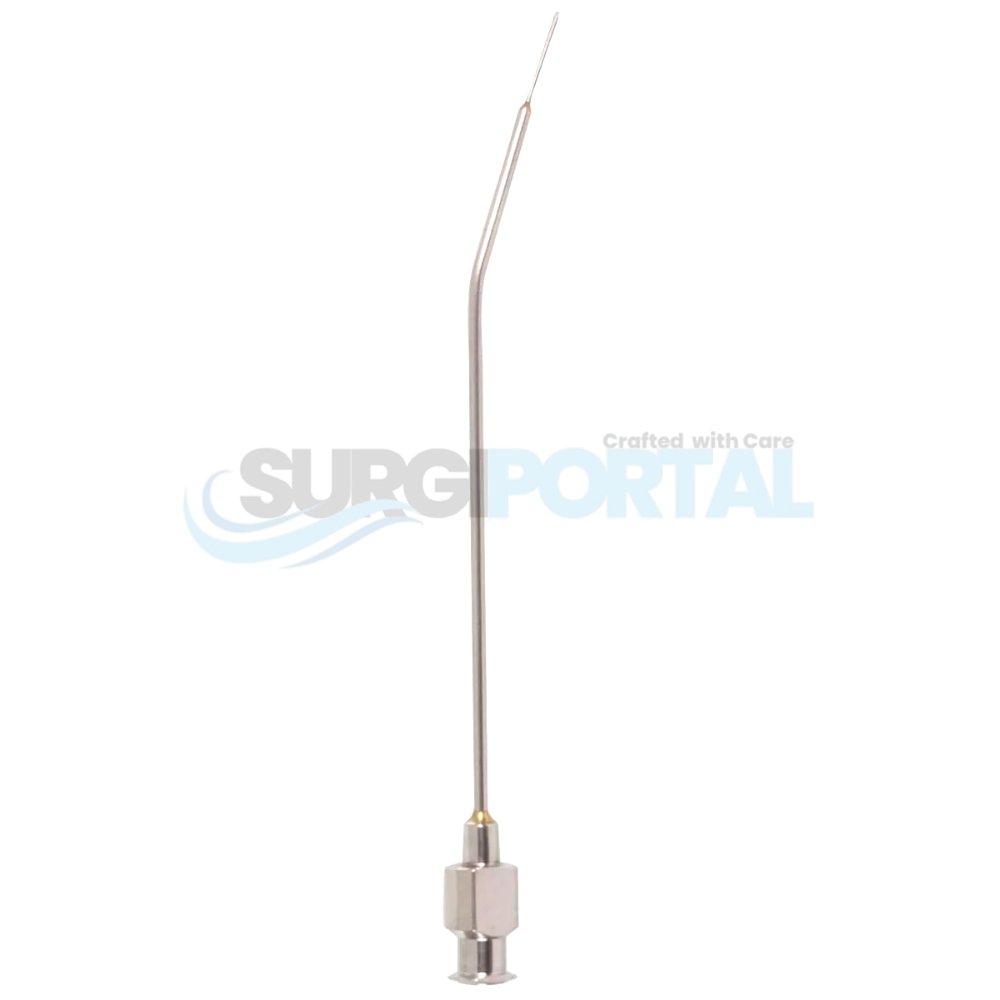
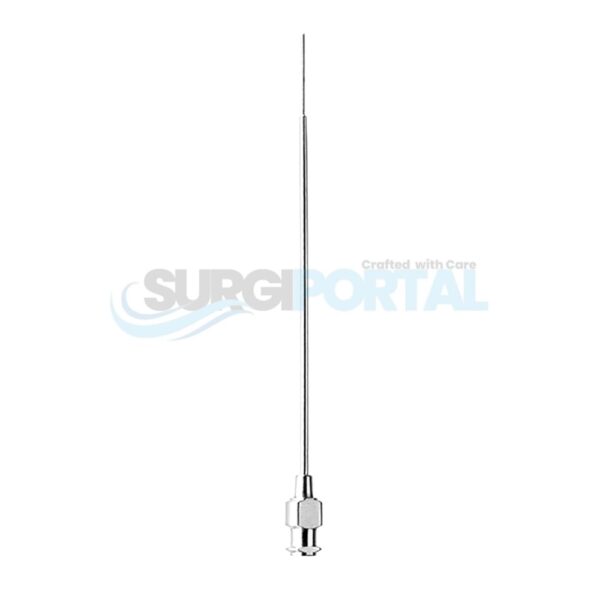
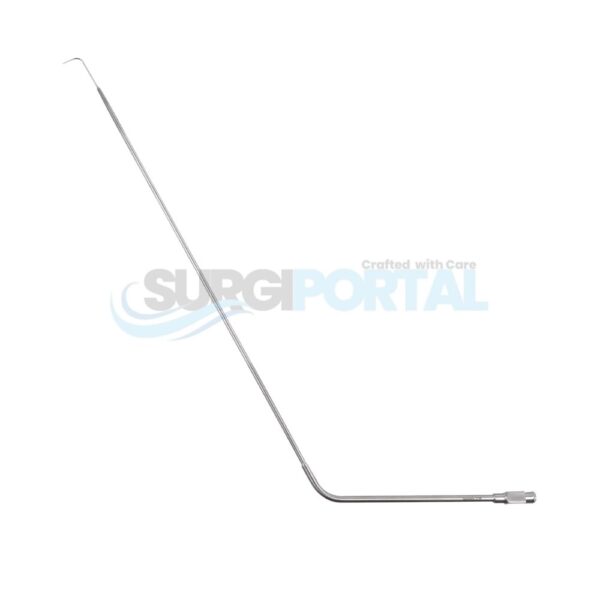
The Tonsil Needle Angled Extension 13mm is a specialized ENT surgical instrument designed for controlled needle manipulation, suturing, and ligation during tonsillectomy. Its angled 13mm extension provides practical access and positioning within the tonsillar surgical field.
$110.00 Original price was: $110.00.$80.00Current price is: $80.00.
Payment Methods:

The Tonsil Needle Angled Extension 13mm is a specialized otolaryngology instrument designed for controlled needle handling during tonsillectomy and related ENT surgical procedures. Its angled extension provides a practical working orientation for accessing the tonsillar region, where precise placement of surgical suture material may be required.
During tonsillectomy, effective tissue management and hemostasis are important components of the surgical procedure. A dedicated tonsil needle can assist with passing and positioning suture material for ligation or closure when required by the surgeon’s technique. The 13mm angled extension is designed to provide a useful working angle while maintaining controlled manipulation in the confined oral surgical field.
The angled configuration distinguishes this instrument from a conventional straight needle. By positioning the needle extension at an angle, the instrument can help facilitate access to areas that may be difficult to approach with a straight profile. This can be particularly useful around the tonsillar fossa, where the surgeon may require a specific approach to place a ligature accurately.
The instrument is typically manufactured from surgical-grade stainless steel, providing strength, durability, and resistance to corrosion when properly maintained. Stainless steel construction also supports routine cleaning, inspection, and sterilization when the instrument is supplied as a reusable surgical device and is validated for repeated processing.
The 13mm extension provides a defined working dimension for controlled needle manipulation. Its compact configuration is suitable for ENT surgical applications where accurate positioning is important. The needle should be handled carefully to preserve its intended geometry and working characteristics, particularly because bending or deformation can affect performance and safe surgical handling.
This tonsil needle may be included in tonsillectomy instrument sets, ENT surgical trays, and otolaryngology procedure kits. It is intended for use by appropriately trained medical professionals familiar with surgical needle handling, tissue suturing, and ligation techniques. Selection should be based on the specific surgical procedure, suture requirements, and surgeon preference.
Proper instrument care is essential for maintaining the performance and longevity of the tonsil needle. Following use, the instrument should be cleaned promptly using the healthcare facility’s validated instrument-reprocessing procedure. Blood, tissue, and other biological material should be removed before sterilization. The needle and angled extension should then be inspected for bending, damage, corrosion, or other abnormalities.
When supplied as a reusable instrument and validated for the applicable process, the tonsil needle can be sterilized according to the manufacturer’s instructions and the healthcare facility’s validated sterilization protocol. Appropriate cleaning, drying, sterilization, and storage help protect the instrument from corrosion and physical damage.
With its 13mm angled extension, specialized ENT design, and durable surgical construction, the Tonsil Needle Angled Extension is a practical instrument for professional tonsillectomy and related otolaryngology procedures. It provides controlled access and needle positioning for surgical suturing and ligation in the tonsillar region.
| Specification | Details |
|---|---|
| Product Name | Tonsil Needle Angled Extension |
| Instrument Type | ENT Surgical Needle |
| Primary Application | Tonsillectomy |
| Extension Length | 13mm |
| Extension Type | Angled |
| Instrument Category | ENT / Otolaryngology |
| Function | Suturing and Ligation |
| Material | Surgical-Grade Stainless Steel |
| Intended Use | Tonsil and ENT Procedures |
| Reusability | Subject to manufacturer instructions |
| Sterilization | According to validated processing protocol |
| Intended Users | Trained Healthcare Professionals |
A tonsil needle is designed for controlled needle manipulation, suturing, and ligation during tonsillectomy and selected ENT surgical procedures.
The 13mm angled extension provides a defined working reach and angled approach that can assist with positioning the needle within the tonsillar surgical field.
Yes. It is designed primarily for tonsillectomy and related otolaryngology procedures where controlled suturing or ligation is required.
An angled needle configuration can provide an alternative approach to the surgical field and may facilitate access where a straight needle is less convenient.
The instrument is typically manufactured from surgical-grade stainless steel, providing strength, durability, and corrosion resistance when properly maintained.
If supplied as a reusable instrument, it should be cleaned, inspected, and sterilized according to the manufacturer’s validated instructions and the healthcare facility’s approved reprocessing protocol.
The instrument should be cleaned promptly after use, inspected for needle or extension deformation, dried thoroughly, and processed according to validated surgical instrument reprocessing procedures.
No account yet?
Create an Account