

-27%
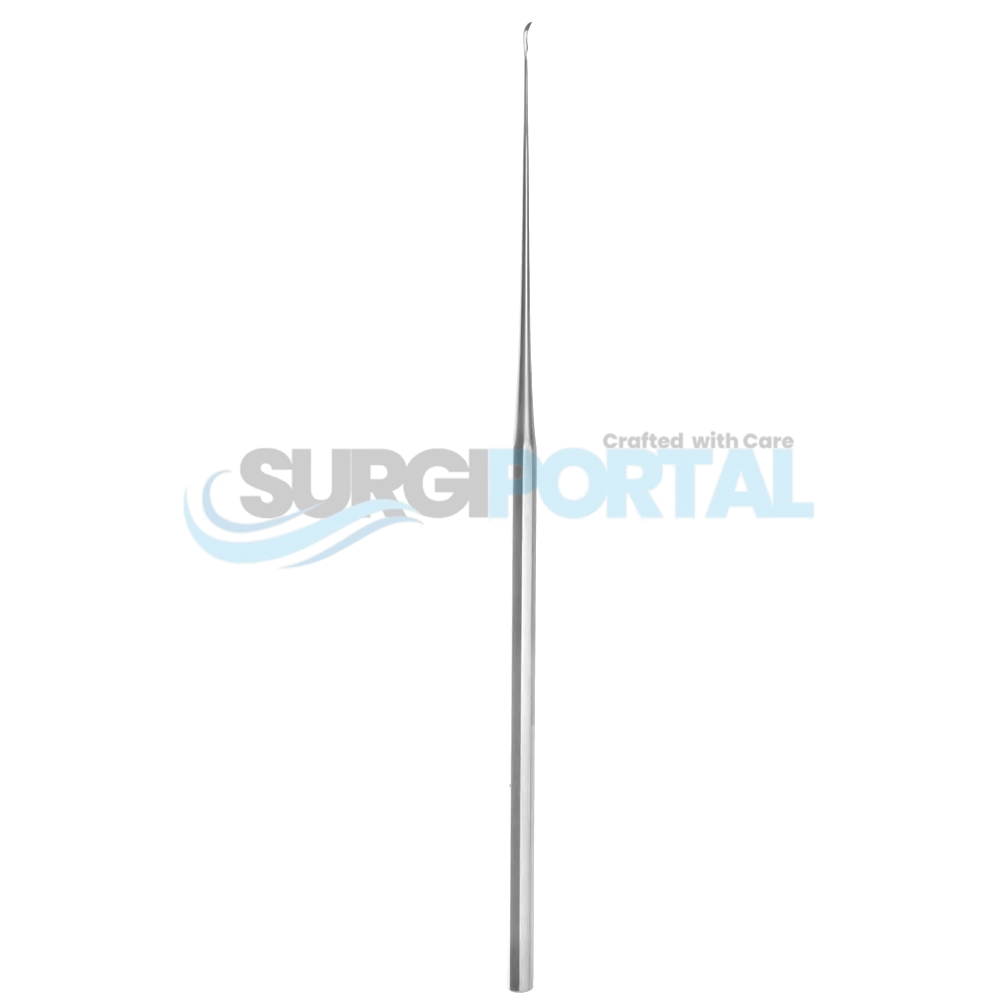
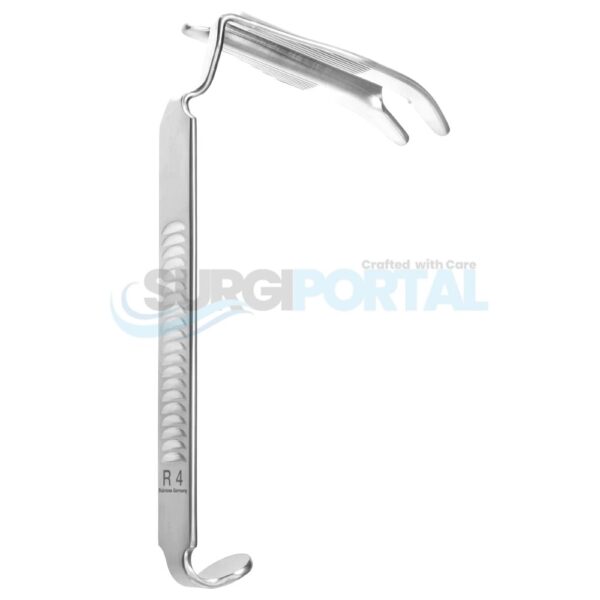
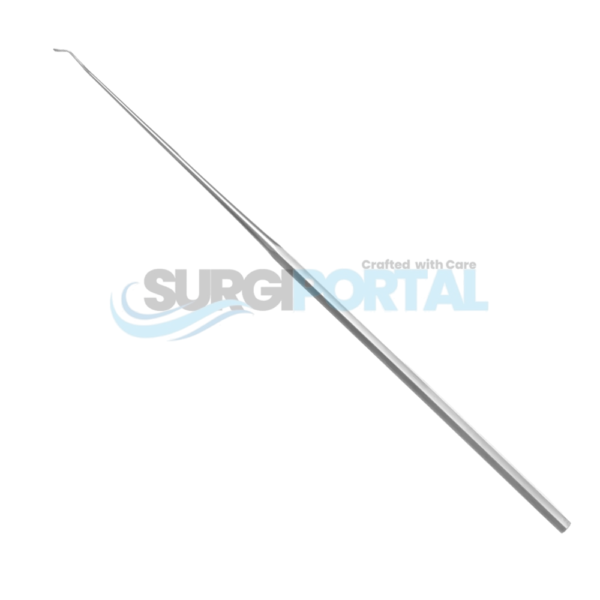
The Sickle Knife, Curved Left is a precision ENT surgical instrument designed for controlled incision, dissection, and tissue manipulation during appropriate otolaryngology procedures. Its curved left-oriented blade provides directional access and precise handling in confined surgical fields.
$110.00 Original price was: $110.00.$80.00Current price is: $80.00.
Payment Methods:

The Sickle Knife, Curved Left is a specialized surgical knife designed for precise tissue incision and controlled dissection in ENT and otolaryngology procedures. Its curved blade configuration and left-sided orientation provide a specific approach to the operative field, making it useful when directional access and accurate blade positioning are required.
The sickle-style working end is designed to support controlled cutting and tissue manipulation while allowing the surgeon to maintain close control over the instrument. The curved profile can help facilitate access around anatomical contours and within restricted surgical areas where a straight blade may not provide the desired approach. Its left-oriented configuration is particularly useful when the direction of the working end needs to complement the surgeon’s operative technique.
This instrument is suitable for specialist ENT surgical sets and can be incorporated into procedure-specific otolaryngology trays. Depending on the procedure and clinical technique, a precision surgical knife may be used for controlled incision or dissection of appropriate tissue structures. The instrument should always be selected and used by trained healthcare professionals according to the specific surgical application.
The Curved Left design is an important functional characteristic. The curvature provides a controlled working angle, while the left orientation allows the blade to approach the target area from the desired direction. This combination can be valuable during procedures involving small or difficult-to-access anatomical regions where precise instrument positioning is essential.
For professional clinical use, the Sickle Knife, Curved Left is designed with durable surgical construction suitable for repeated instrument processing when applicable. Surgical-grade stainless steel is commonly used for reusable surgical instruments because of its strength, corrosion resistance, and compatibility with established cleaning and sterilization procedures. The instrument’s smooth surfaces also facilitate routine cleaning and visual inspection.
The Sickle Knife, Curved Left can be used as part of a comprehensive ENT surgical instrument set, alongside tissue forceps, surgical picks, probes, retractors, scissors, elevators, suction instruments, and other specialized otolaryngology instruments. Maintaining a complete and well-organized instrument set helps surgical teams prepare efficiently for procedures requiring specialized directional instruments.
Proper care and reprocessing are essential for maintaining surgical instrument performance. Following use, the instrument should be cleaned promptly according to the healthcare facility’s validated reprocessing protocol. It should be inspected for contamination, blade damage, corrosion, deformation, or other defects before sterilization. Appropriate sterilization should be performed using a validated method compatible with the instrument and applicable manufacturer instructions.
With its curved left-oriented blade, precision surgical profile, and professional ENT application, the Sickle Knife, Curved Left is a practical addition to specialist otolaryngology instrument collections where controlled incision, directional access, and precise tissue handling are required.
| Specification | Details |
|---|---|
| Product Name | Sickle Knife, Curved Left |
| Instrument Type | Surgical Knife |
| Blade Configuration | Curved |
| Orientation | Left |
| Surgical Specialty | ENT / Otolaryngology |
| Primary Application | Incision, Dissection and Tissue Manipulation |
| Instrument Category | ENT Surgical Instrument |
| Material | Surgical-Grade Stainless Steel |
| Reusable | Subject to applicable instrument specifications |
| Cleaning | Follow validated healthcare facility procedures |
| Sterilization | Follow applicable manufacturer and facility protocols |
| Intended Setting | Hospitals, ENT Clinics, Surgical Centers |
A Sickle Knife, Curved Left is designed for controlled incision, dissection, and tissue manipulation during appropriate ENT and otolaryngology procedures.
“Curved Left” describes the configuration of the working blade. The blade has a curved profile and is oriented toward the left to provide a specific directional approach during surgery.
Yes. It is designed as a specialized precision instrument for appropriate ENT and otolaryngology surgical applications.
A curved blade can provide a controlled working angle and may facilitate access around anatomical contours or within confined operative areas.
The instrument is designed for professional surgical use and is typically manufactured from surgical-grade stainless steel, providing strength and corrosion resistance.
Reusable versions should be cleaned, inspected, and sterilized according to the applicable manufacturer’s instructions and the healthcare facility’s validated reprocessing protocol.
Yes. The Sickle Knife, Curved Left can be included in specialized ENT and otolaryngology instrument sets alongside other precision knives, picks, probes, forceps, scissors, and retractors.
No account yet?
Create an Account