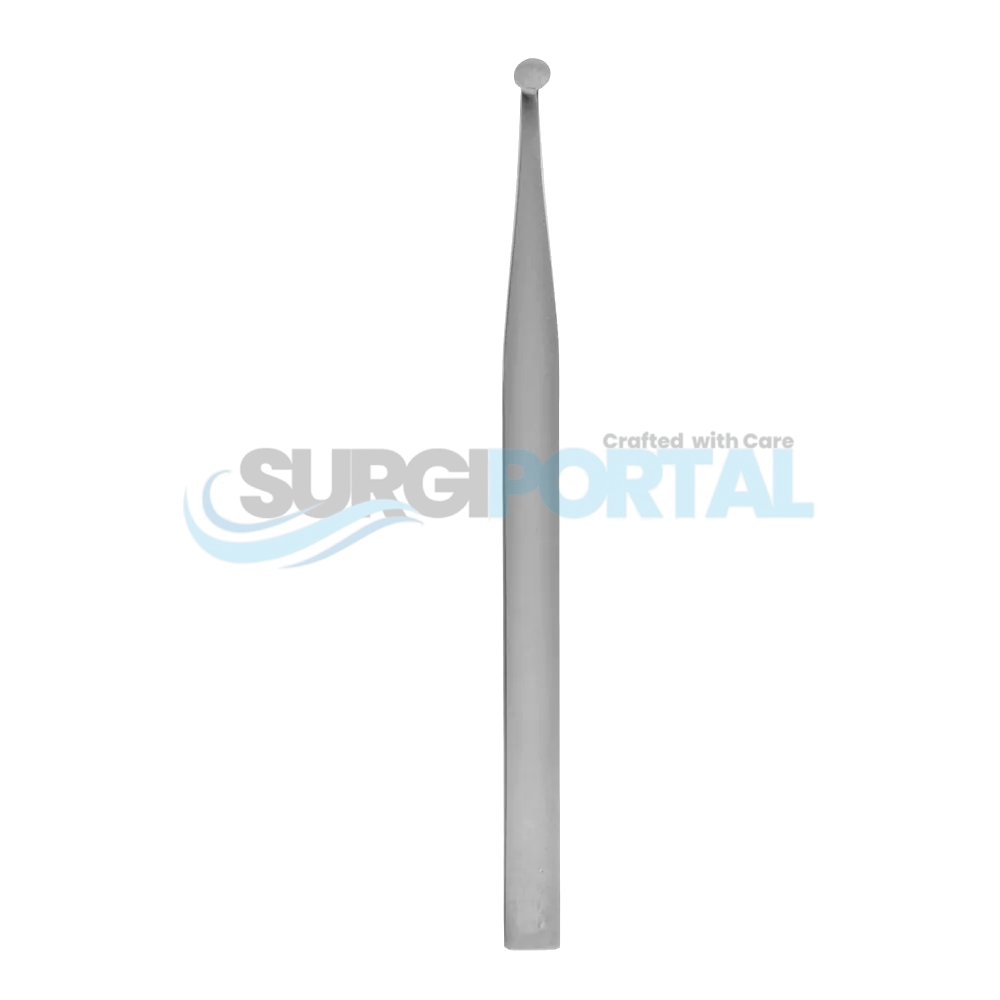
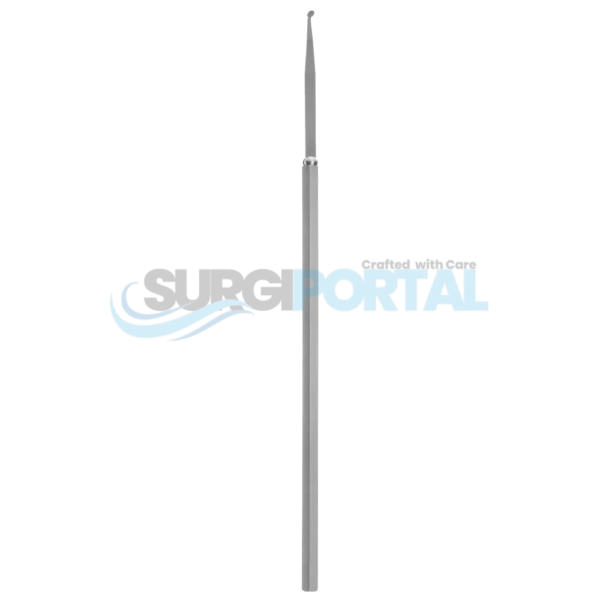
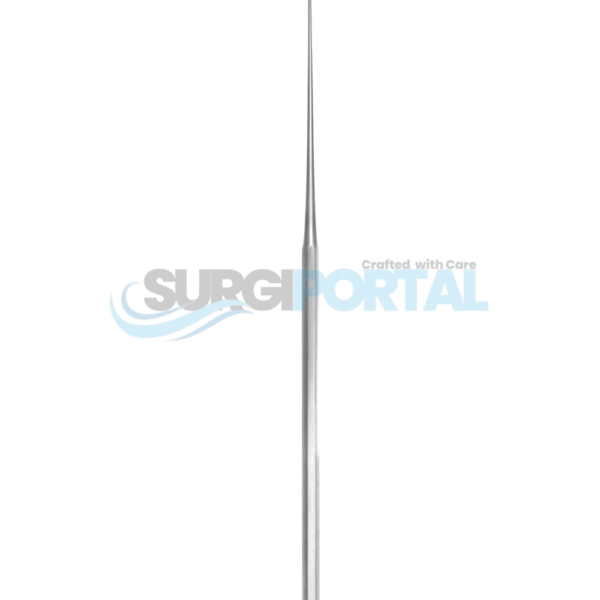
The Angled Replacement Blade is a specialized replacement component designed for compatible surgical instruments that use an angled blade configuration. Its working geometry provides an angled approach to the operative area, supporting controlled positioning and access where the design of the procedure or instrument system requires a non-straight blade. The blade should be selected according to the exact instrument model and manufacturer specifications to ensure proper fit and safe operation.
An angled replacement blade can be particularly useful when the surgical working area is difficult to approach directly. The angled profile allows the compatible instrument to reach the intended site while maintaining an appropriate orientation for the surgeon. This design can support precise tissue manipulation, incision, or other instrument-specific functions depending on the system for which the blade is intended.
Because this product is supplied as a replacement blade, compatibility is an important consideration before purchase. The replacement should be matched with the appropriate instrument or system, including the required size, attachment mechanism, and blade configuration. Users should verify the manufacturer’s specifications or existing instrument details before installation. The product title does not specify a particular compatible instrument, so exact compatibility should not be assumed across different surgical systems.
For professional medical use, reusable versions of replacement blades are typically manufactured from surgical-grade stainless steel or another suitable medical-instrument material. The material is selected to provide rigidity, durability, and resistance to routine handling and reprocessing when applicable. A properly finished surface also supports cleaning and inspection during routine instrument maintenance.
The angled working end should be handled carefully to avoid deformation, damage, or loss of alignment. Precision replacement components depend on accurate geometry to function correctly with their corresponding instrument. Before use, the blade should be inspected for visible damage, corrosion, deformation, or other irregularities. Any component that does not fit correctly or appears damaged should not be used.
If the replacement blade is supplied as a reusable component, cleaning and sterilization should be performed according to the applicable manufacturer’s validated instructions and the healthcare facility’s established reprocessing protocol. Particular attention should be given to the blade and connection area during cleaning to ensure that surgical residue is thoroughly removed.
The Angled Replacement Blade is a practical solution for maintaining compatible surgical instruments and replacing a worn or damaged blade component when the correct specification is identified. Its angled design provides an alternative working orientation for compatible systems and can help support continued instrument functionality in professional surgical environments.
Key Features
- Angled configuration for controlled surgical access
- Designed as a replacement blade component
- Suitable for compatible surgical instrument systems
- Supports precise working-end positioning
- Useful where an angled approach is required
- Designed for professional medical environments
- Typically manufactured from surgical-grade stainless steel
- Rigid construction supports controlled handling
- Precision geometry for compatibility with the intended instrument
- Inspect before use for damage or deformation
- Suitable for inclusion in surgical instrument maintenance programs
- Reprocessing should follow validated manufacturer instructions
Product Specifications
| Specification |
Details |
| Product Name |
Angled Replacement Blade |
| Component Type |
Replacement Surgical Blade |
| Blade Configuration |
Angled |
| Primary Function |
Controlled access and instrument-specific tissue manipulation |
| Compatibility |
Compatible instrument/system must be verified |
| Specialty |
Surgical / Procedure Dependent |
| Material |
Typically surgical-grade stainless steel |
| Finish |
Professional surgical instrument finish |
| Reusable |
Depending on supplied configuration |
| Sterilization |
Follow applicable manufacturer instructions |
| Use |
Professional medical and surgical environments |
FAQs
1. What is an Angled Replacement Blade used for?
It is designed to replace the blade component of a compatible surgical instrument that requires an angled working configuration.
2. Why use an angled blade?
An angled blade can provide improved access and working orientation when the operative area is difficult to approach with a straight configuration.
3. Is this replacement blade compatible with all surgical instruments?
No. Compatibility depends on the specific instrument system, blade dimensions, attachment mechanism, and manufacturer specifications.
4. How can I confirm compatibility?
Compare the replacement blade with the original component and verify the instrument model, size, connection method, and manufacturer’s compatibility information before ordering.
5. What material is the replacement blade made from?
Reusable surgical replacement blades are typically manufactured from surgical-grade stainless steel or another suitable medical-instrument material.
6. Can the Angled Replacement Blade be sterilized?
If supplied as a reusable component, it should be cleaned and sterilized according to the manufacturer’s validated instructions and the healthcare facility’s approved reprocessing procedure.
7. How should the blade be maintained?
Clean the component promptly after use, inspect the working end and attachment area for damage or deformation, and store it appropriately to protect its precision geometry.