
How to Sterilize Dental Surgical Instruments Properly: A Complete Guide for Dental Clinics and Patients

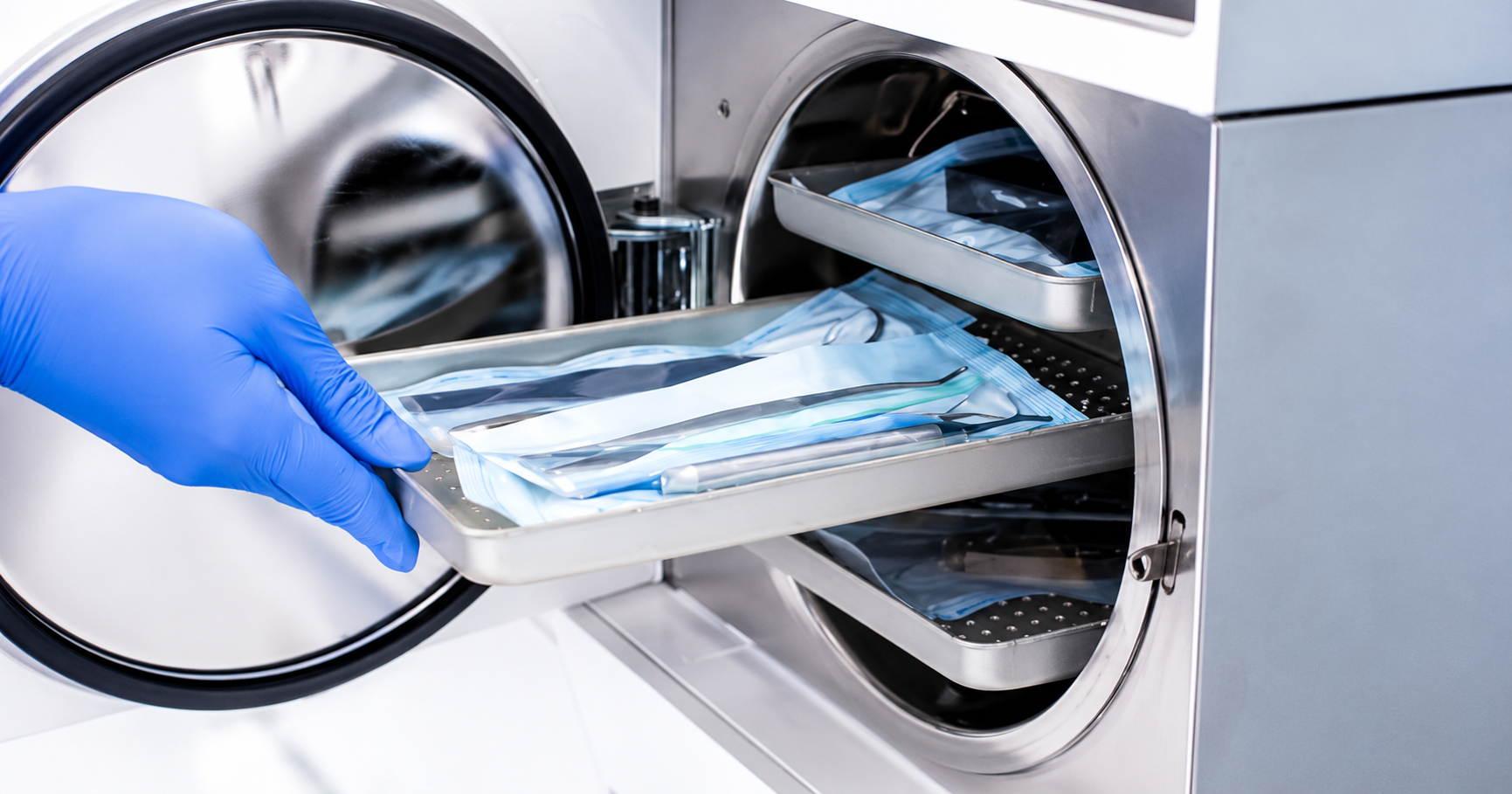
Sterilization of dental surgical instruments is one of the most important parts of modern dentistry. Every day, dental instruments come into contact with blood, saliva, bacteria, and oral tissues. Without proper sterilization, harmful microorganisms can spread from one patient to another, creating serious health risks.
For dental clinics, proper sterilization is not only a medical responsibility but also a key factor in building patient trust. Patients today are highly aware of hygiene standards and often choose clinics that maintain strict infection-control procedures.
In this detailed guide, we will explain everything about dental instrument sterilization, including methods, processes, equipment, benefits, and best practices for dental professionals and patients.
What Is Dental Instrument Sterilization?
Dental instrument sterilization is the process of completely eliminating all microorganisms, including:
- Bacteria
- Viruses
- Fungi
- Spores
- Pathogens
This process ensures that surgical and reusable dental tools are completely safe for the next patient.
Sterilization is different from simple cleaning or disinfection. Cleaning removes visible debris, while sterilization destroys all microbial life.
Why Proper Sterilization Matters in Dentistry
1. Prevents Cross-Contamination
Dental procedures involve direct exposure to saliva and blood. If instruments are reused without proper sterilization, infections can spread quickly between patients.
Proper sterilization helps prevent diseases such as:
- Hepatitis B and C
- HIV
- Tuberculosis
- Oral bacterial infections
2. Protects Dental Staff and Patients
Dentists, assistants, hygienists, and patients all benefit from a sterile clinical environment. Clean instruments reduce accidental contamination and workplace health risks.
3. Builds Patient Trust
Patients notice hygiene standards. Clean packaging, sterilized tools, and organized treatment rooms increase patient confidence in the clinic.
A professional sterilization process shows that the clinic values safety and quality care.
4. Meets International Dental Standards
Most healthcare authorities require dental clinics to follow strict sterilization protocols. Proper procedures help clinics comply with legal and medical regulations.
Types of Dental Surgical Instruments That Require Sterilization
Many reusable dental tools must be sterilized after every use.
Common examples include:
- Dental forceps
- Elevators
- Scalpels
- Surgical scissors
- Needle holders
- Bone files
- Curettes
- Mirrors
- Probes
- Orthodontic pliers
- Implant instruments
Any instrument that enters the patient’s mouth or contacts bodily fluids should be sterilized properly.
Step-by-Step Dental Instrument Sterilization Process
Step 1: Instrument Collection After Use
Immediately after treatment, contaminated instruments should be placed carefully in designated trays or containers.
This prevents:
- Injury from sharp tools
- Drying of blood or debris
- Accidental contamination
Dental staff should always wear:
- Gloves
- Face masks
- Protective eyewear
Step 2: Pre-Cleaning and Decontamination
Before sterilization, instruments must be cleaned thoroughly to remove visible contamination.
Manual Cleaning
Manual cleaning involves scrubbing instruments using brushes and detergents.
Although effective, this method requires caution because direct handling increases infection risk.
Ultrasonic Cleaning
Ultrasonic cleaners are commonly used in modern dental clinics.
They work by producing high-frequency sound waves that remove microscopic debris from difficult areas.
Benefits of Ultrasonic Cleaning
- Better cleaning accuracy
- Faster process
- Reduced staff exposure
- Less instrument damage
This method is especially useful for complex surgical instruments.
Step 3: Rinsing and Drying
After cleaning, instruments should be rinsed with clean water and dried completely.
Moisture left on instruments may:
- Cause rust or corrosion
- Reduce sterilization efficiency
- Damage packaging materials
Drying methods include:
- Air drying
- Lint-free towels
- Medical drying systems
Step 4: Inspection of Instruments
Before packaging, instruments should be checked carefully for:
- Rust
- Cracks
- Damage
- Sharpness
- Functionality
Damaged tools should be repaired or replaced immediately.
Step 5: Packaging the Instruments
Packaging maintains sterility after the sterilization cycle is complete.
Clinics usually use:
- Sterilization pouches
- Paper wraps
- Sealed instrument cassettes
Good Packaging Practices
- Use sterilization indicators
- Seal properly
- Label with date and batch number
- Avoid overcrowding instruments
Step 6: Sterilization Methods
Different sterilization techniques are used depending on the type of instrument.
Autoclave Sterilization
Autoclaving is the most widely used sterilization method in dentistry.
It uses:
- High-pressure steam
- High temperatures
- Controlled cycles
Standard Autoclave Temperature
Usually between:
- 121°C to 134°C
Advantages of Autoclaving
- Highly effective
- Fast sterilization
- Reliable results
- Environmentally friendly
Autoclaves are ideal for most dental surgical instruments.
Dry Heat Sterilization
Dry heat sterilizers use hot air instead of steam.
Best For:
- Sharp metal tools
- Instruments sensitive to moisture
Advantages
- Prevents corrosion
- Maintains sharpness
However, this method usually takes longer than autoclaving.
Chemical Vapor Sterilization
This process uses chemical vapors under pressure to sterilize instruments.
Benefits
- Reduced rusting
- Effective microbial destruction
- Suitable for certain metal tools
Proper ventilation is important when using this method.
Step 7: Storage of Sterilized Instruments
After sterilization, instruments must remain protected until use.
Proper Storage Guidelines
- Store in dry cabinets
- Avoid moisture exposure
- Keep away from dust
- Handle carefully to avoid tearing packaging
Sterilized packs should be inspected regularly.
Common Sterilization Mistakes Dental Clinics Should Avoid
Even small errors can reduce sterilization effectiveness.
Overloading the Autoclave
Too many instruments block steam circulation and prevent proper sterilization.
Skipping the Cleaning Stage
Sterilization alone cannot remove dried blood or debris.
Cleaning must always happen first.
Improper Packaging
Poor sealing or damaged wraps expose instruments to contamination.
Ignoring Maintenance
Autoclaves and sterilizers require regular servicing and testing.
Neglected equipment may fail without warning.
How Patients Can Check Clinic Hygiene Standards
Patients can also observe hygiene practices before treatment.
Signs of a Professional Dental Clinic
- Sealed sterilized instrument packs
- Clean treatment rooms
- Staff wearing gloves and masks
- Organized sterilization area
- Proper disposal of medical waste
Patients should never hesitate to ask clinics about their sterilization procedures.
Benefits of Proper Dental Instrument Sterilization
Improved Patient Safety
The biggest advantage is reduced infection risk.
Longer Instrument Lifespan
Proper cleaning and sterilization prevent corrosion and damage.
Better Clinic Reputation
Clinics known for cleanliness attract more loyal patients.
Legal and Regulatory Compliance
Proper sterilization helps clinics meet healthcare regulations and avoid penalties.
Future of Sterilization in Modern Dentistry
Dental technology continues to improve infection-control systems.
Modern innovations include:
- Smart autoclaves
- Automated sterilization tracking
- Digital monitoring systems
- Advanced sterilization indicators
These technologies improve safety, efficiency, and record management.
Final Thoughts
Proper sterilization of dental surgical instruments is essential for every dental practice. It protects patients, supports clinic safety, and ensures compliance with professional healthcare standards.
From cleaning and packaging to autoclaving and storage, every step matters. Dental clinics that prioritize sterilization not only reduce infection risks but also build strong trust with patients.
As dental care standards continue to evolve, maintaining excellent sterilization practices will remain one of the most important responsibilities in modern dentistry.